Strategy · Jinn Systems
Software
Consulting
Services
Most software projects do not fail in development. They fail in the decisions made before development starts.
Our software consulting services help founders, CTOs, and scaling teams make the right technology decisions before resources are committed. We are not here to sell you a build. We are here to make sure that if you build, you build the right thing.
Book a Strategy SessionStrategy · Software Consulting Services
The real problem
Poor decisions cost more than poor execution.
When a software project goes wrong, the instinct is to look at the development team. Did they miss the deadline? Is the code quality low? Did they misunderstand the brief? These are real problems, but they are rarely the root cause.
The root cause is almost always a decision that was made, or avoided, before a single line of code was written. The wrong architecture chosen because no one challenged it. The scope defined by a business stakeholder who had never shipped software before. The technology stack selected because it was familiar, not because it was appropriate.
By the time those decisions become visible problems, the budget is half spent and the timeline is already slipping. Changing direction at that point is not just inconvenient. It is expensive in ways that compound: rework, team friction, delayed revenue, and stakeholder trust that does not come back easily.
Our technology consulting services exist for one purpose: to ensure the decisions upstream of development are made with clarity, evidence, and the right expertise. Not after the fact, when fixing them is painful. Before the build starts, when changing course is cheap.
70%
of software project failures trace back to unclear requirements or wrong architecture decisions made before development began.
10x
the relative cost of fixing an architecture problem discovered after launch versus addressing it in the planning phase.
The pattern we see
Businesses that invest in strategy before development consistently deliver on time, within budget, and with systems that scale.
Who we advise
Built for high-stakes technology decisions.
Founders
Planning a product before committing to a build
You have a product idea and a budget. You do not yet know what to build first, what the architecture should look like, or what a realistic scope is. You need a second opinion from someone who has seen what works before you commit to a vendor or a team.
CTOs & Technical Leaders
Evaluating an architecture decision you cannot afford to get wrong
You are facing a decision about system design, platform migration, or technology direction that will shape the next two to five years of your product. You want an independent review from someone with no stake in which direction you choose.
Scaling Teams
Growing faster than your current systems were designed for
Your product works. Users are coming. But the system was built for a different scale and the cracks are showing: performance issues, deployment friction, growing technical debt. You need a clear view of what to fix first and in what order.
Businesses Replacing Legacy Systems
Migrating away from something that no longer fits
You are running on software that was built for a business that no longer exists at its current size or complexity. The migration decision involves risk, budget, and operational continuity. You need a strategy before you pick a vendor or start writing specs.
What goes wrong
The mistakes that software consulting prevents.
Building without validation
The team builds a complete product based on assumptions about what users want. Six months and a significant investment later, the first real users arrive and the assumptions turn out to be wrong. Validation does not require a full build. It requires the right questions asked at the right time.
Choosing the wrong technology stack
The stack is chosen because the most available developer on the team knows it, or because it was used on the last project. Neither is a justification. Stack choices have long-term consequences: hiring, maintenance, performance ceiling, and the cost of changing course later.
Over-engineering or under-engineering
Over-engineering: building a microservices infrastructure for a product with 20 users. Under-engineering: building a monolith that cannot be scaled without a full rewrite at 20,000 users. Both are failures of planning, not execution. The right architecture is the one that fits the actual stage and trajectory of the business.
Hiring teams before defining scope
The team is assembled, the burn rate starts, and the scope is still being debated in Notion documents. Defining scope after hiring is backwards. The scope defines what team you need, what skills are required, and what the engagement will actually cost. Getting that order right saves months.
Our approach
Strategy first. Build second. Sometimes not at all.
Our job as a software consulting company is not to tell you to build more. Sometimes the right advice is to build less, to delay, or to redirect budget toward fixing what exists before extending it. That kind of independence is only possible when there is no financial incentive attached to a particular outcome.
We work through a structured review of what you are trying to accomplish, what you currently have, and what the realistic options are. That produces a clear set of recommendations, not a sales pitch for a specific solution.
Where relevant, those recommendations will point toward a specific path: architecture design, a particular type of web application, or an MVP approach to validate assumptions before committing to a full build. We make those connections explicit and honest.
We do not charge for clarity and then hand you a seven-figure development proposal. If we recommend you build, we will tell you what to build, in what order, and why. If we recommend you do not build yet, we will tell you what to do first.
That approach produces better outcomes for every party. Clients who build with a clear mandate ship faster, spend less, and build things that last. Clients who decide not to build yet avoid the most common and expensive mistake in the industry.
If the architecture needs defining
System design, data modelling, service boundaries, and technical documentation before development begins.
Architecture Design →If an MVP is the right first step
Scoped, validated first versions that test assumptions with real users before committing to the full roadmap.
MVP Development →If a web application is the right vehicle
Custom web application development built around the decisions made in consulting, not around assumptions made at kickoff.
Web Application Development →If a custom build is the right answer
Purpose-built software designed around the exact requirements established in the consulting engagement. Architecture-first, full ownership transfer.
Custom Software Development →How we engage
Three ways to work with us.
Technical Audit
A structured review of what you have
We review your existing codebase, architecture, infrastructure, and development processes. You receive a written assessment that covers what is working, what is not, what the risks are, and what to address first. This is the starting point for businesses that know something is wrong but are not sure where.
Typical duration: 1 to 2 weeks
Consulting Sessions
Focused advice on a specific decision
You have a specific question that needs a clear answer: which architecture approach is right, whether to build or buy, how to scope a project, or whether your current plan is viable. We work through it with you in a structured session and produce a written output you can act on.
Typical duration: Half-day to full-day
Long-Term Advisory
A senior technology perspective on an ongoing basis
For businesses that need a consistent external perspective on technology decisions: roadmap reviews, architecture sign-off, vendor evaluation, and a trusted voice in stakeholder discussions. This is the fractional CTO model without the full-time cost or the conflict of interest.
Typical duration: Ongoing monthly retainer
What this looks like in practice
Before and after a consulting engagement.
Scenario 01 — Founder with a SaaS idea
Before
A founder had a SaaS product idea, a development budget, and three competing quotes from agencies. Each agency had proposed a different technology stack, a different timeline, and a different scope. The founder had no basis to evaluate the differences and no way of knowing which proposal was actually aligned with the product goal.
After
A single consulting session produced a defined scope, a recommended architecture, and a set of criteria for evaluating agency proposals. The founder could now compare like for like, ask informed questions, and make a decision based on understanding rather than trust. The selected agency delivered on a clearer brief with fewer surprises. See our SaaS development approach for what that build phase looks like.
Scenario 02 — Business replacing a legacy system
Before
A mid-sized business had been operating on an ERP system that was ten years old and no longer fit the organisation's scale. They had started conversations with two vendors about replacement options. Both vendors were proposing full migrations with six-figure price tags and 12-month timelines. No one had asked whether a full replacement was actually necessary.
After
A technical audit identified that three of the five core modules in the existing system were still fit for purpose. Only two needed replacement. The revised scope reduced the project cost by 40% and the timeline by five months. The business entered the build phase with a clear mandate, a defined scope, and no ambiguity about what was being built or why. The work that followed was custom ERP development, not a vendor migration.
Scenario 03 — CTO evaluating a scaling decision
Before
A CTO at a growing product company was facing internal pressure to migrate from a monolithic architecture to microservices. The engineering team was split on whether this was the right move. The CTO needed an independent technical view before committing to an 18-month refactoring project.
After
A structured architecture review concluded that the current monolith could handle the projected load for another 18 to 24 months with targeted optimisations. A phased extraction plan was defined for the two modules that genuinely needed independent deployment. The company avoided a full migration project and instead invested in the specific improvements that addressed their real bottlenecks. The architecture work was scoped correctly from the start.
How an engagement runs
From assessment to execution roadmap.
01
Assessment
We begin by understanding the situation: what exists, what has been decided, what is still open, and what the business is trying to achieve. No assumptions, no predetermined conclusions.
02
Technical Evaluation
Where relevant, we review the existing codebase, architecture documentation, infrastructure setup, and technical decisions that have already been made. We look for what is load-bearing and what is at risk.
03
Recommendations
A written set of recommendations covering what to do, what not to do, and in what order. The reasoning is explained, not assumed. You leave with something you can act on and explain to other stakeholders.
04
Execution Roadmap
If a build is the right next step, we produce a roadmap that defines scope, sequencing, dependencies, and milestones. This document is vendor-neutral. You can take it to any software development company and get a like-for-like response.
The UAE context
Software decisions in
the UAE market.
The UAE has a high density of development agencies and a fast-moving business environment. Both of these create a specific pattern in the market: businesses move quickly from idea to brief to vendor engagement, often without a strategy phase in between. The agencies are incentivised to start building. The client is under pressure to show progress. The result is a high volume of projects that begin before they are ready.
Businesses working with a web development company in Dubai frequently encounter this: the agency is competent, the code is reasonable, but the product scope was never properly defined. Six months into the engagement, the client is paying for changes to a system that should have been designed differently from the start.
Companies in the UAE also often operate across multiple markets simultaneously, with Arabic and English requirements, regional payment integrations, and compliance requirements that vary by emirate and industry. These are not afterthoughts. They are architectural constraints that need to be in the brief before an app development company in Dubai writes the first line of code.
Our IT consulting company perspective on this market is direct: the constraint is not the quality of execution. It is the quality of the decisions upstream of execution. Address those first and execution becomes significantly more predictable.
Related UAE services
Headquarters
Sharjah, UAE
UTC+4 (GST)
Market experience
UAE & MENA
Real estate, fintech, logistics, enterprise
Languages
English & Arabic
Bilingual product experience
Global clients
Remote advisory
Europe, Asia, North America
Recent work
Systems we have shipped


Multi-Brand Group
ETS Group
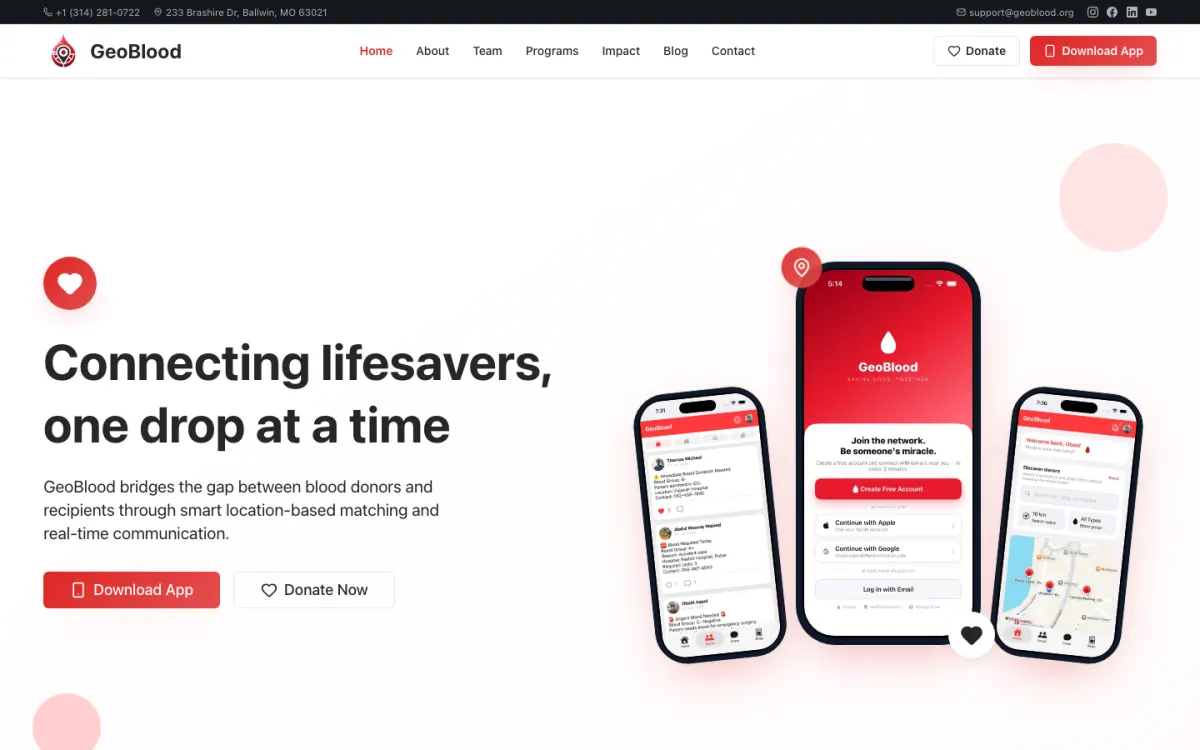

Health Platform
GeoBlood
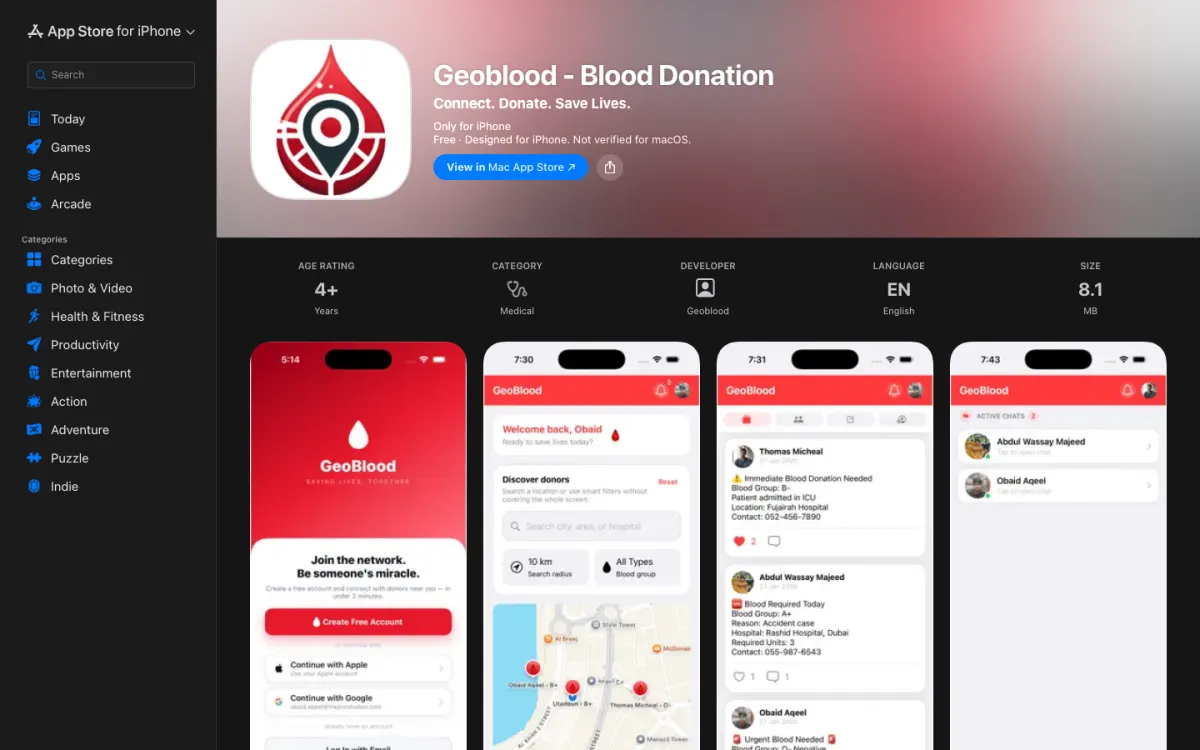
Mobile Product
GeoBlood App
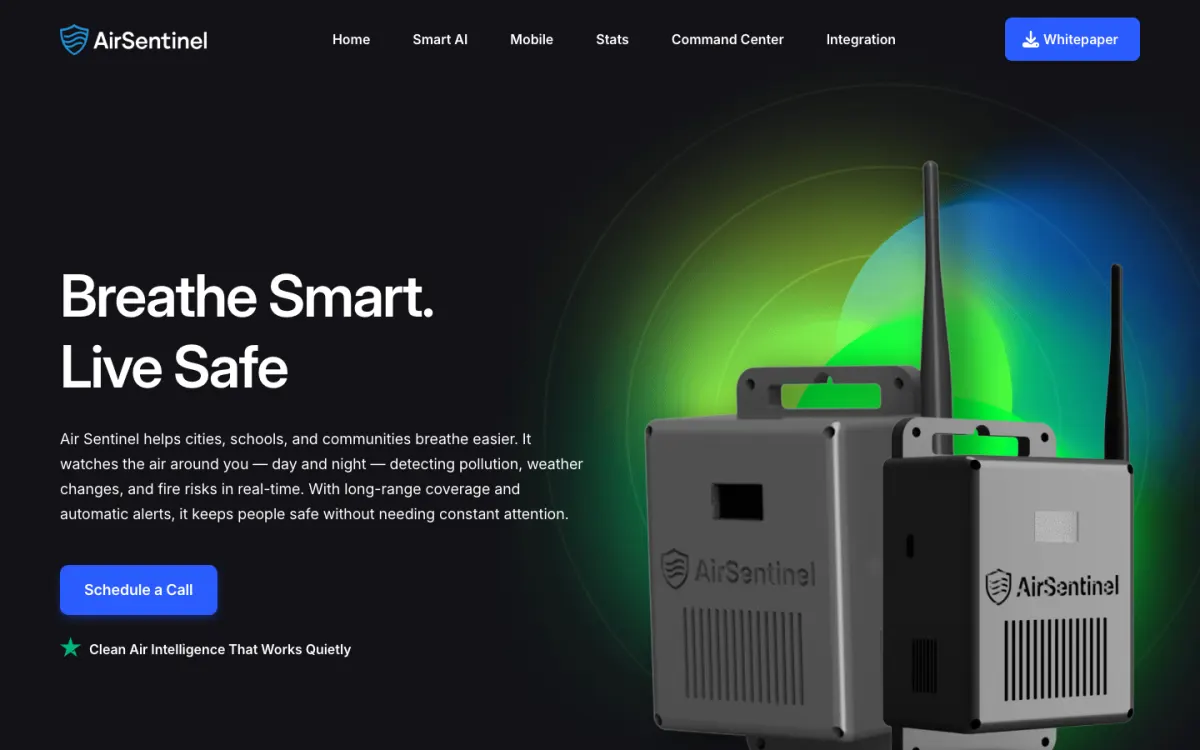

Air Monitoring
AirSentinel


Environmental Tech
BreatheIO
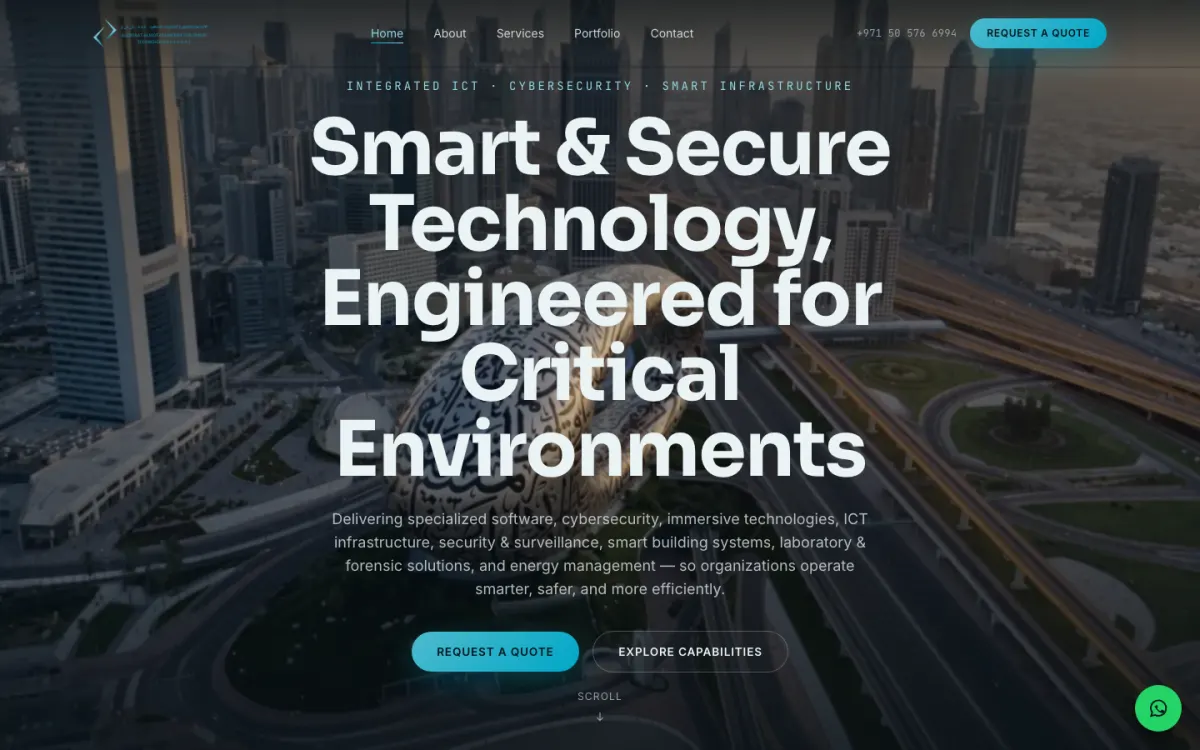

ICT / Security / Systems
Alebdaat
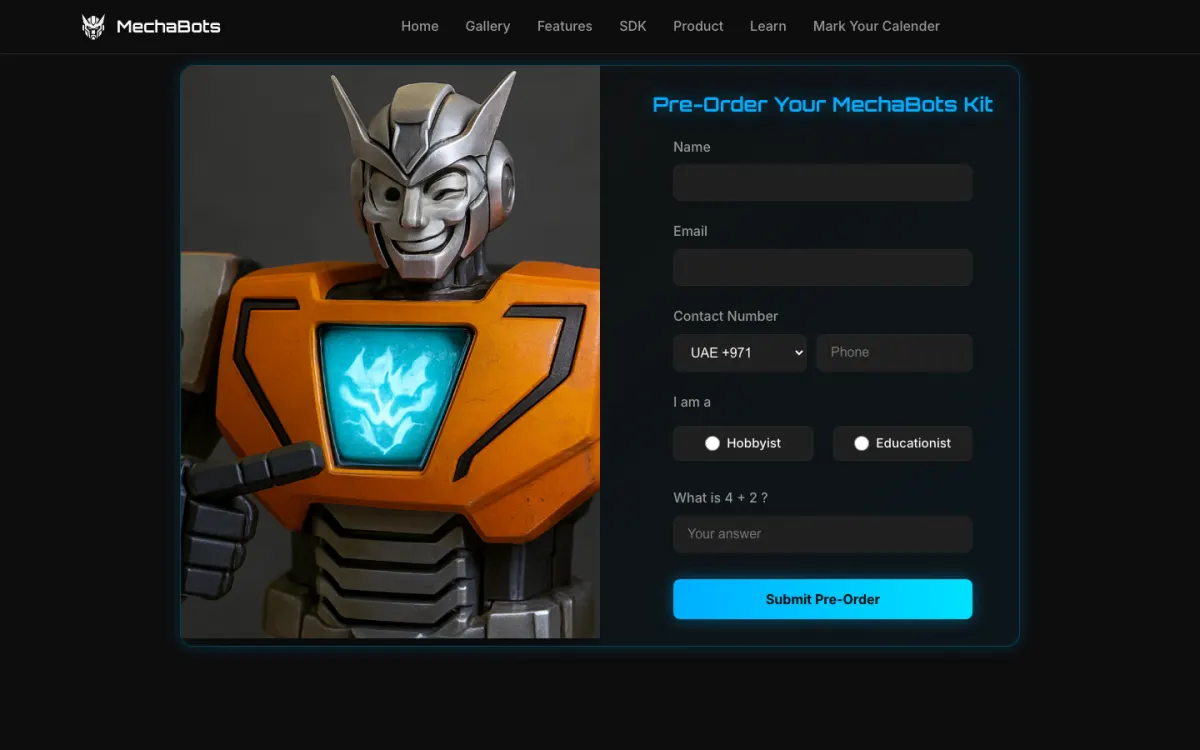

Robotics
MechaBots
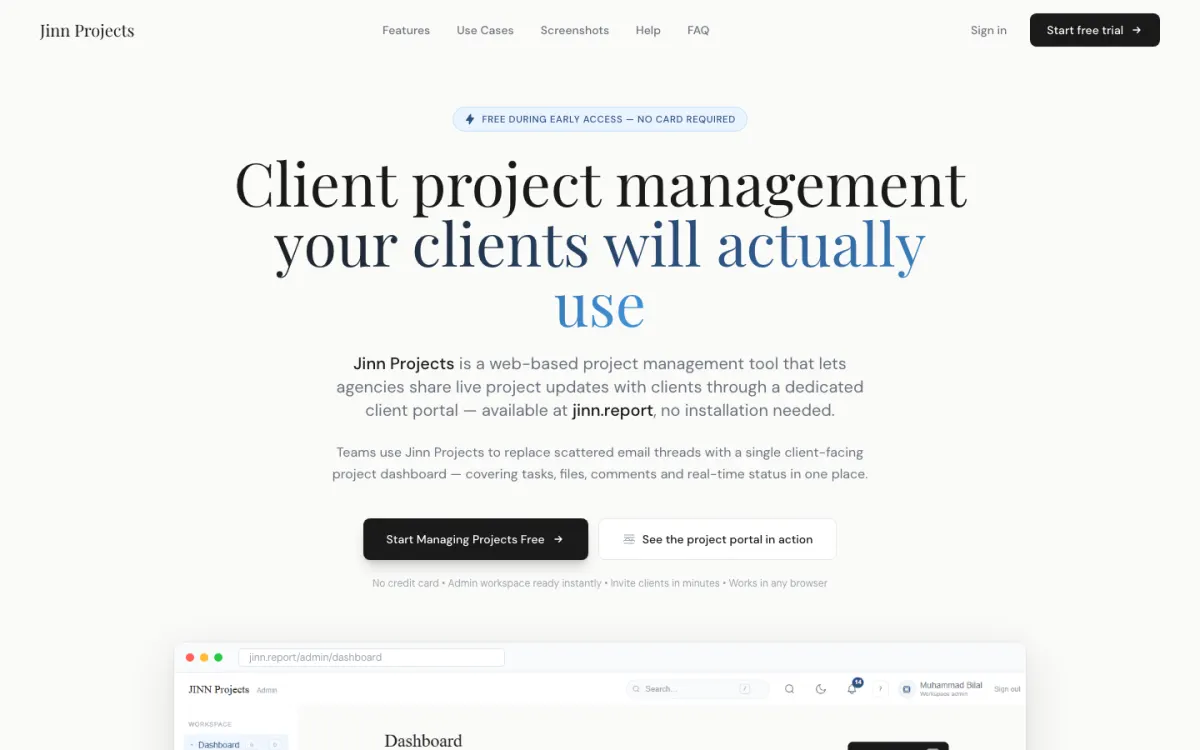

Client Project Workspace
Jinn Reports
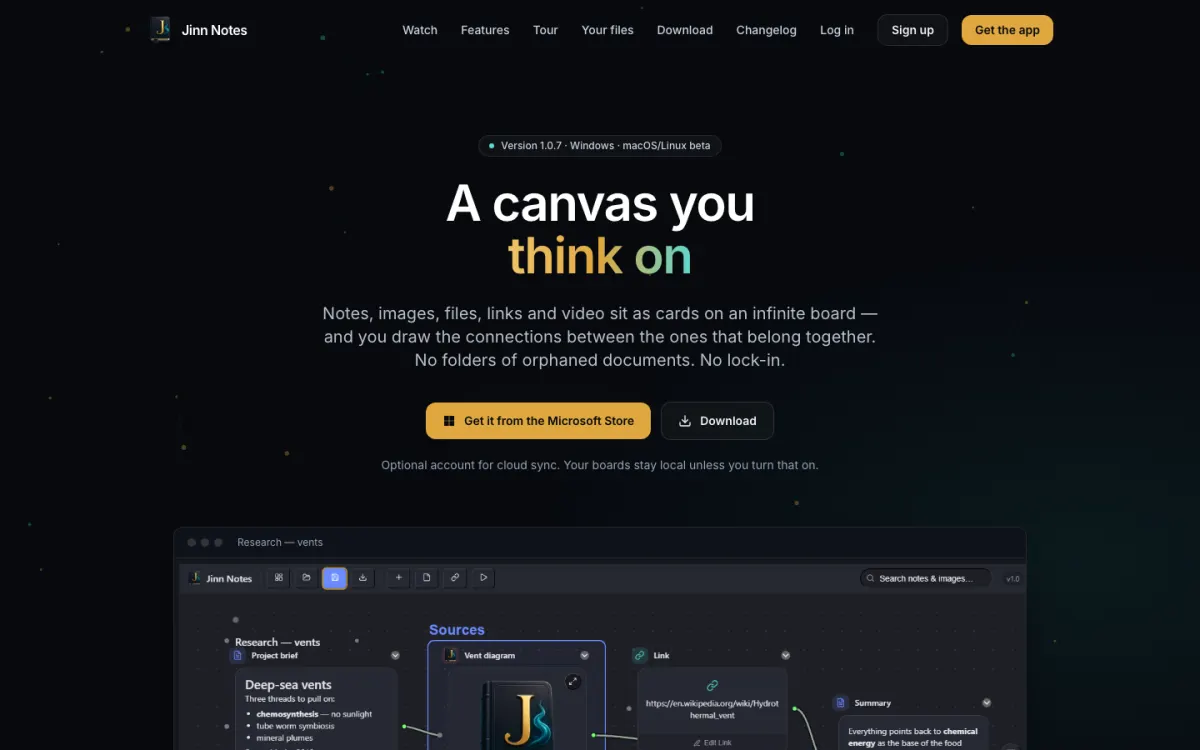

Visual Note-Taking
Jinn Notes
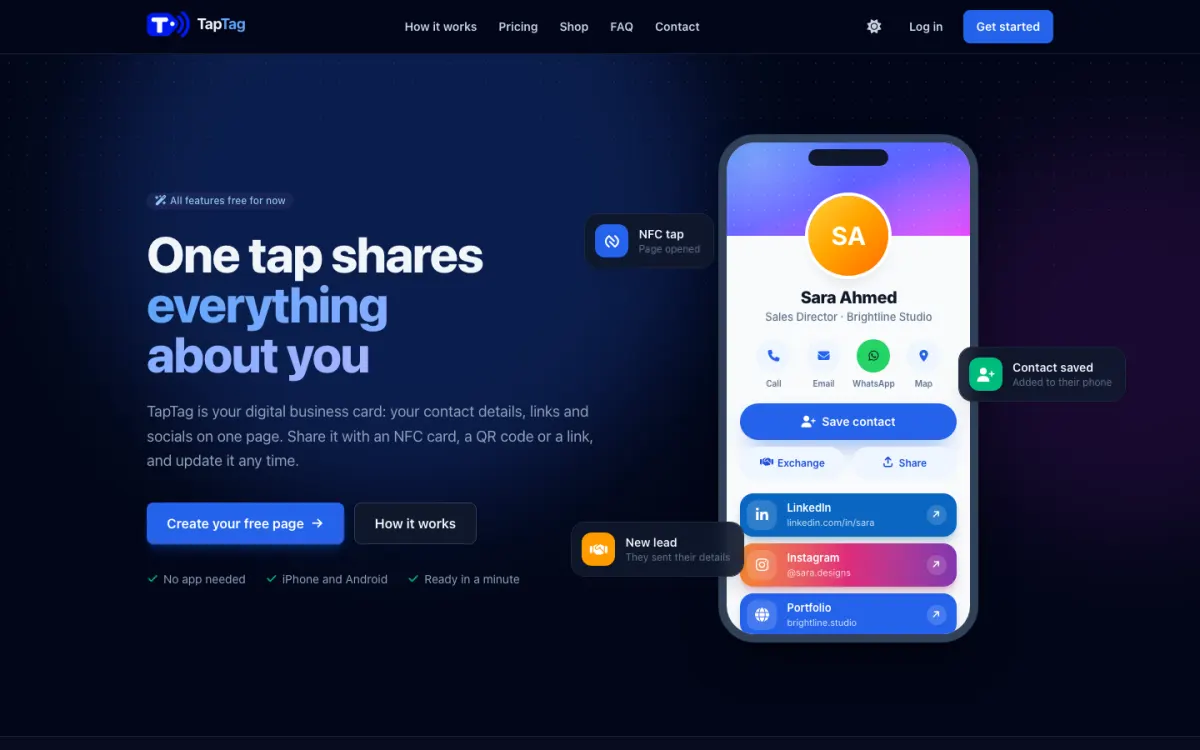

Digital Business Cards
TapTag
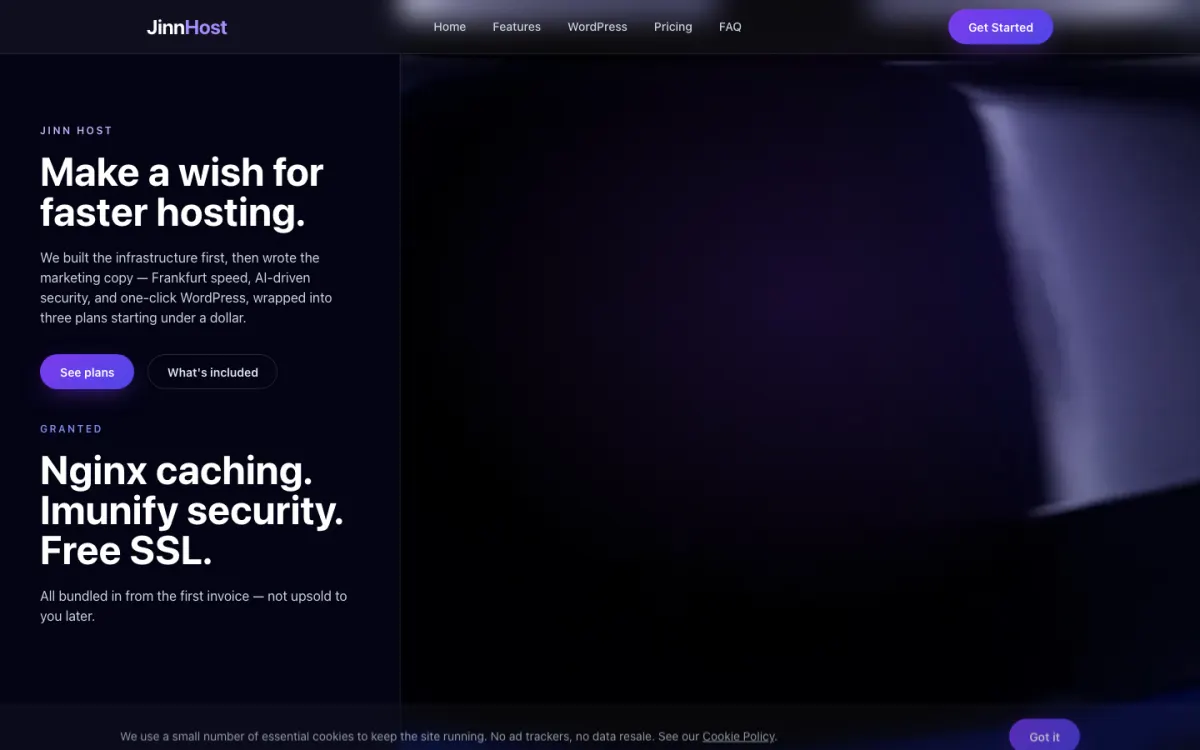

Hosting Infrastructure
JinnHost
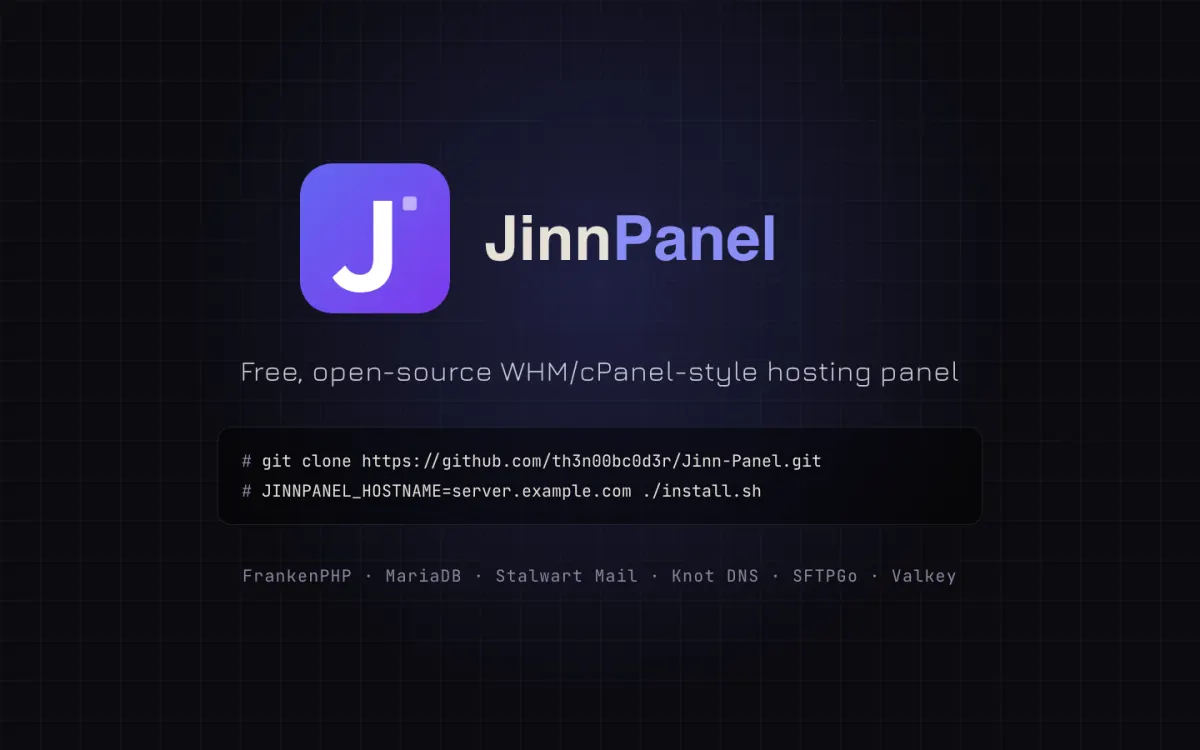
Open-Source Control Panel
Jinn Panel
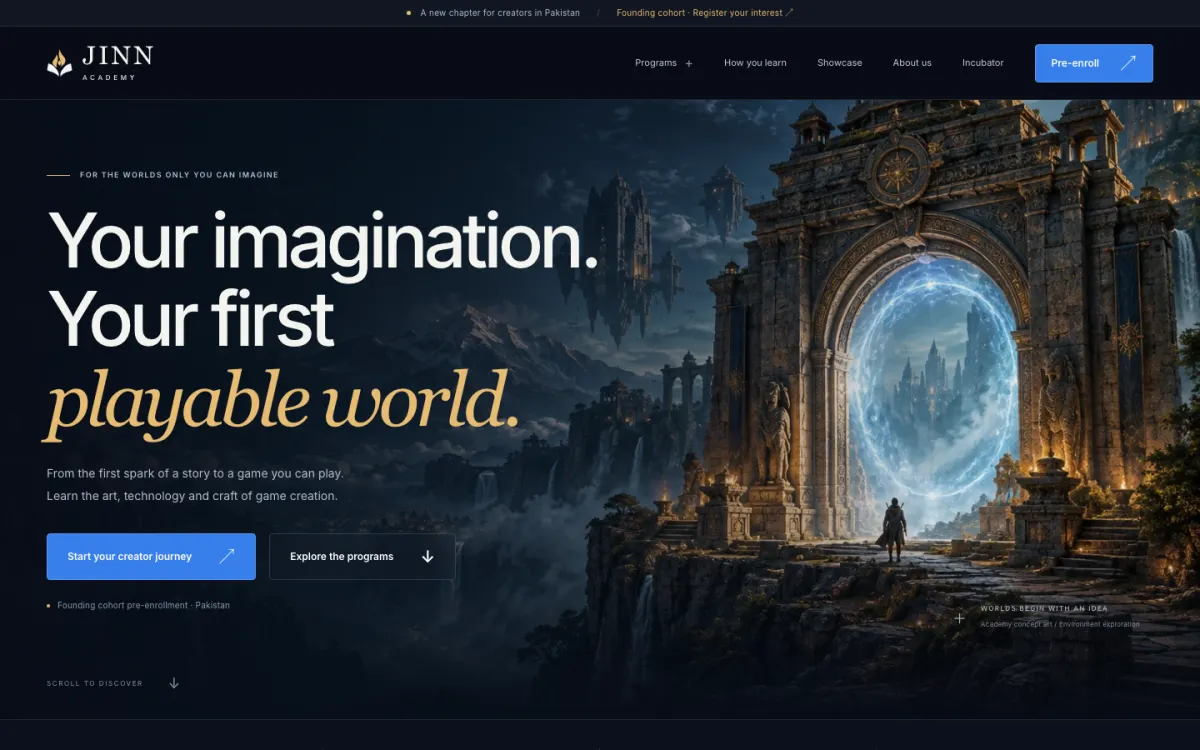

Game Development Academy
Jinn Academy
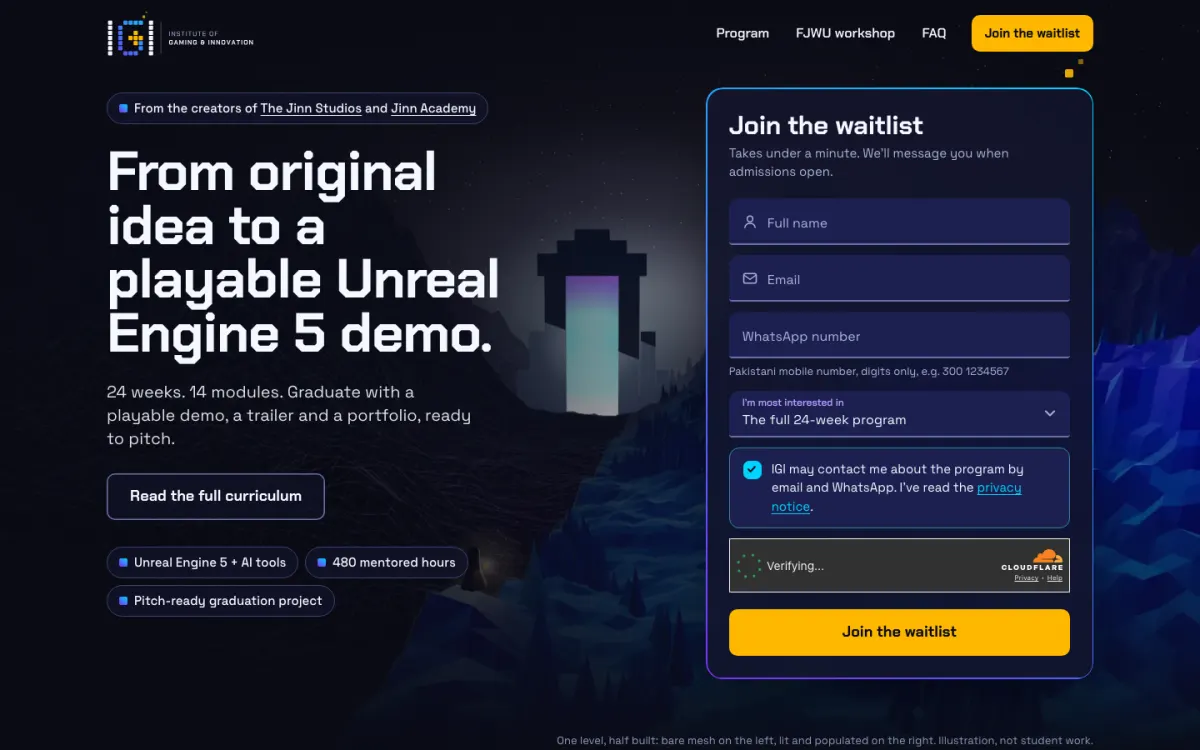

Unreal Engine 5 Program
IGI


Luxury Commerce
SHAZ
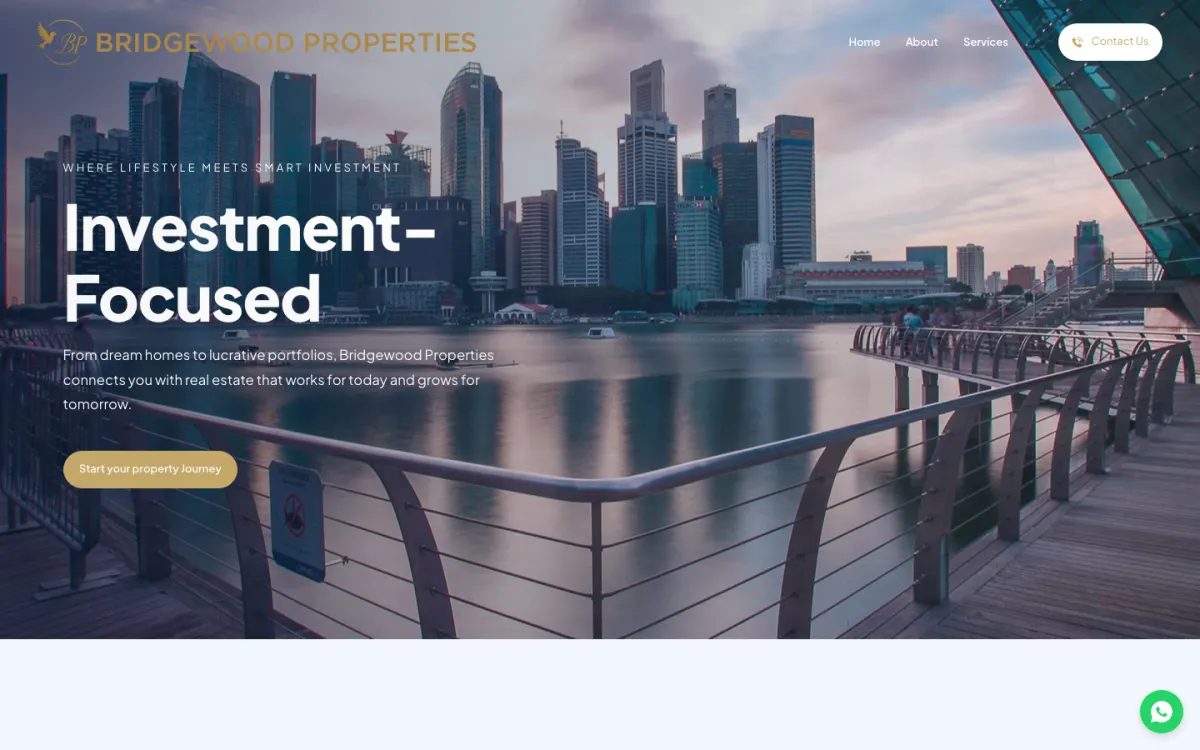

Property
Bridgewood
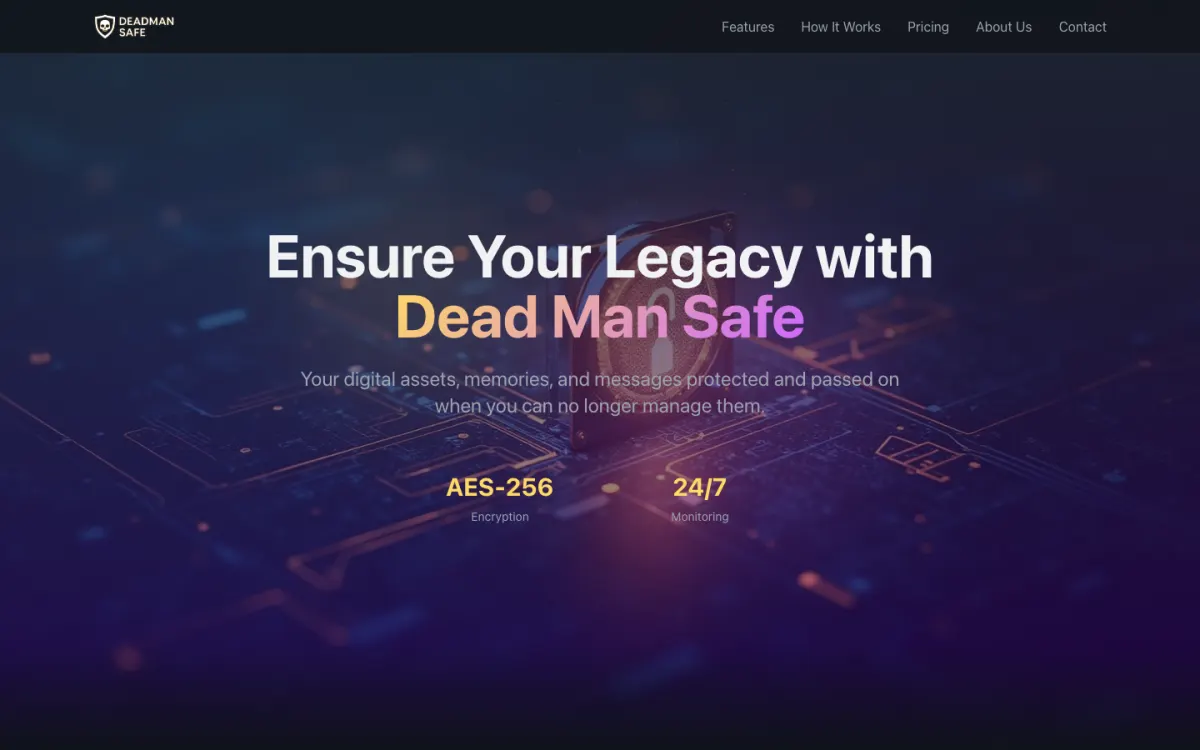

Digital Legacy
Dead Man Safe


Personal Brand
Shorouk Al Abdallah
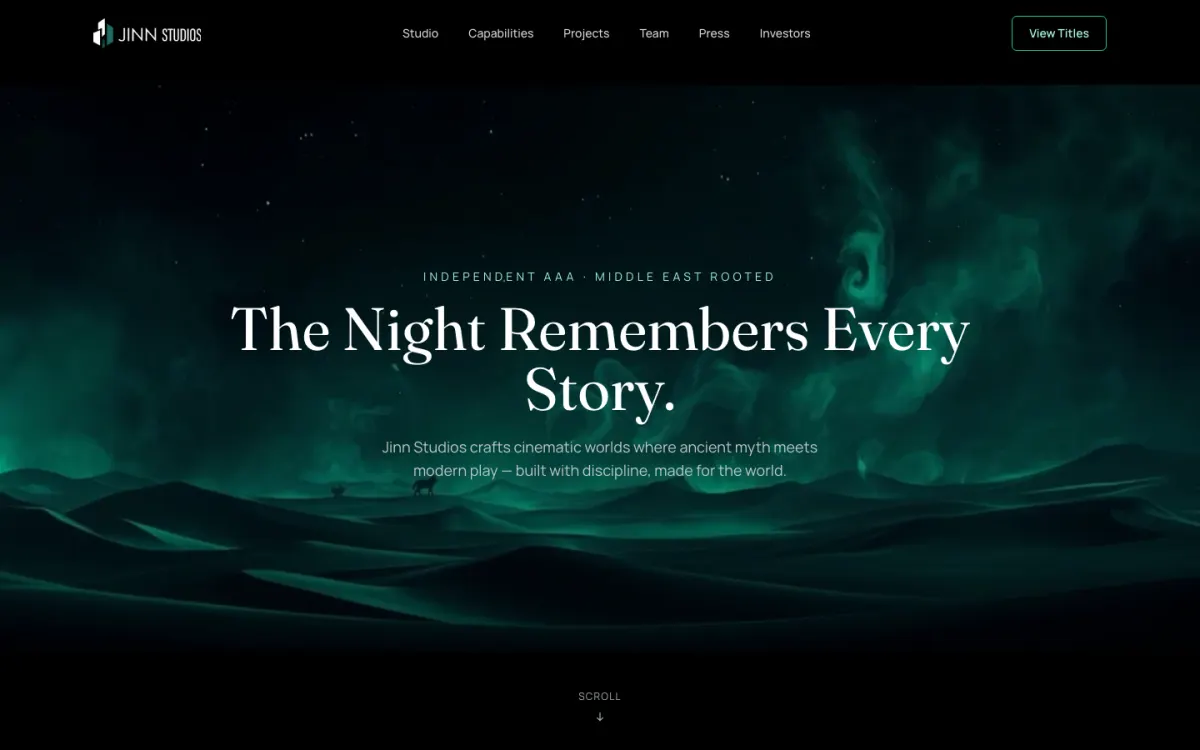

Studio
Jinn Studios

Entertainment
Cup Entertainment
Start with clarity
The most valuable conversation
happens before the build.
If you are facing a significant technology decision and are not yet certain of the right path, that is the right time to have this conversation. Not after the vendor is selected. Not after the scope is signed off. Now.
After you reach out
We respond within one business day with an initial read on your situation and a suggested format for the engagement.
Intake call
A 30-minute call to understand the context, the decision at stake, and what output would be most useful for your situation.
Engagement proposal
A short written proposal covering the engagement format, what you will receive, the timeline, and the investment. No ambiguity.