Application Development · Jinn Systems
Application
Development Company
Applications are built on decisions. The architecture shapes how far the product can go. The data model determines what reporting is possible. The integration design controls what the system can connect to.
Jinn Systems is an application development company that treats architecture as the first deliverable. We build web applications, mobile applications, and enterprise platforms with the structure to support the business as it grows, not just the features it needs today.
Application types
- Web applications: browser-based platforms built for scale and performance
- Mobile applications: native and cross-platform iOS and Android apps
- Enterprise platforms: multi-user systems with complex data and workflow requirements
Services · Application Development · Jinn Systems UAE
Where application development goes wrong
Most applications fail before they launch.
The failure mode is consistent across types. A team starts building features without a defined data model. A mobile app gets built with a backend that was designed for a web application, and the API does not support offline sync or push notifications properly. An enterprise platform is built as a series of individual features with no shared data layer, so cross-functional reporting is impossible without exporting to spreadsheets.
These are not development failures. They are architecture failures. The decisions that determine whether an application can grow — the data model, the API contract, the authentication and authorisation structure, the integration design — were not made explicitly. They emerged from the code as it was written, and now they constrain everything that comes after.
The result is a rebuild conversation at the point when the business needs the system most. A product with users, with revenue, with a team dependent on it — being rebuilt because the foundation was never designed to support where it went.
How we approach application development
Architecture first. Features second.
Every application we build starts with an architecture session, not a feature list. The data model is defined. The API contract is specified. The authentication and authorisation structure is designed. The integration points are identified and their constraints understood. This document is completed before development begins.
The features built in Phase 1 are the ones that validate the architecture under real use. They run in production, they serve real users, and they expose the gaps in the requirements that could not have been predicted without operational feedback. Phase 2 builds on what Phase 1 established — not around it.
The applications we build are not designed to be replaced. They are designed to be extended. The business should not need to rebuild its operational software every three years because the architecture hit a ceiling it was always going to hit.
65%
of application rebuilds trace to architecture decisions made in the first sprint, not feature gaps
4–6x
cost of fixing architectural problems discovered in production versus addressing them during design
01 — One codebase, one truth
A shared backend serves web and mobile surfaces. The data model is defined once. Business logic lives in one place. The API contract is versioned and documented from the start.
02 — Production-ready from Phase 1
Phase 1 is not a prototype. It is a production system with real users, real data, and real monitoring. Every subsequent phase is an extension of what already works.
03 — Owned by you
Source code, infrastructure, documentation, and deployment pipelines transfer to the client at delivery. No lock-in. No ongoing dependency. The application is yours.
Who we build for
Applications for businesses that need them to last.
Founders
Building a product that needs to serve real users
You have a product concept validated well enough to build. You need an application that works in production from day one, has the architecture to grow, and does not require a rebuild when you reach 10,000 users. The MVP is the first version of the platform, not a throwaway prototype.
MVP Development →Businesses
Operational software that runs the business
You need an application that manages real operational workflows: staff scheduling, client management, order processing, reporting, or field operations. An application built around your processes rather than adapted from a generic template. System of record, not a tool.
Custom Software Development →SaaS Builders
A platform that serves multiple customers from one application
Building a SaaS application requires more than a web application with a login page. Multi-tenancy, subscription infrastructure, user management across organisations, and the architecture to onboard new customers without engineering work are all system design problems solved before the first sprint.
SaaS Development →Enterprises
Enterprise-grade applications with complex user hierarchies
Your application must serve hundreds of concurrent users, integrate with existing enterprise systems, enforce complex permission structures, and comply with your sector's data handling requirements. Enterprise application development is a different problem from consumer app development. We have the architecture experience for both.
Architecture Design →Scope of work
What we build.
Web Applications
01Browser-based applications serving businesses, customers, or both. SaaS platforms, operational dashboards, client portals, marketplace applications, booking systems, and workflow tools. Built on modern React or Vue frontends with performant backends designed for the data volume and concurrency the application will actually experience in production.
Mobile Applications
02iOS and Android applications built natively or with cross-platform frameworks depending on the performance and platform requirements. Consumer apps, field operations apps, driver and logistics apps, patient and healthcare apps, and internal staff applications. The mobile application and its backend are designed together, not connected after the fact.
SaaS Platforms
03Multi-tenant applications serving multiple paying customers from shared infrastructure. The tenancy model, subscription system, and user management layer are core architecture concerns, not features to be added later. SaaS platforms require a fundamentally different architecture from standard web applications, and that architecture must be designed before the first commit.
Enterprise Applications
04Custom ERP systems, CRM platforms, and enterprise operations applications built for organisations with complex data hierarchies, multi-department workflows, and integration requirements that commercial products cannot satisfy. Designed for the data volumes, concurrent user loads, and compliance obligations of a real enterprise environment.
The architecture layer
What every application actually requires.
Data Model
The entities, relationships, and state transitions that define what the application knows and how it knows it. A well-designed data model makes every feature easier to build and every report possible to run. A poorly-designed one makes every new feature a migration risk and every report a manual export. Data modeling is the first architecture decision and the one that costs the most to change.
API Design
The API is the contract between the backend and every surface that consumes it: web frontend, mobile application, third-party integrations, and internal services. A well-designed API is versioned, documented, and consistent. It does not break when a new mobile version ships. It does not require a different authentication model for the web client versus the mobile client. The API design is specified before the first endpoint is built.
Authentication & Authorisation
Who can access what, and under what conditions. Authentication proves identity. Authorisation controls access. Applications that add users, roles, and organisations as the product grows need an authorisation model designed to accommodate that complexity from the start. RBAC, ABAC, organisation-scoped permissions, and SSO integrations are architecture decisions, not features to be added in a later sprint.
Performance Architecture
Applications degrade under load when the database query patterns were designed for development traffic. Indexing strategy, query optimisation, caching layers, and background processing queues must be designed for the application's actual usage patterns. Performance architecture is cheaper to design at the start than to diagnose and fix in production when the application is under real load with real users waiting.
Integration Architecture
Most applications connect to external systems: payment processors, communication tools, accounting platforms, government APIs, and legacy databases. Integration points are system boundaries with their own error handling, retry logic, and data consistency requirements. Treating integrations as architecture concerns rather than individual feature tickets prevents the accumulation of fragile, undocumented API connections throughout the codebase.
Observability
An application in production needs to be understood from the outside. Structured logging, distributed tracing, error alerting, and performance monitoring are not optional extras. They are the tools that allow a team to understand what is happening, diagnose problems before they become outages, and measure the actual performance of the system against what was designed. Built in from the start, not added after the first production incident.
From the field
Applications built to last.
GeoBlood
Real-time donor matching platform
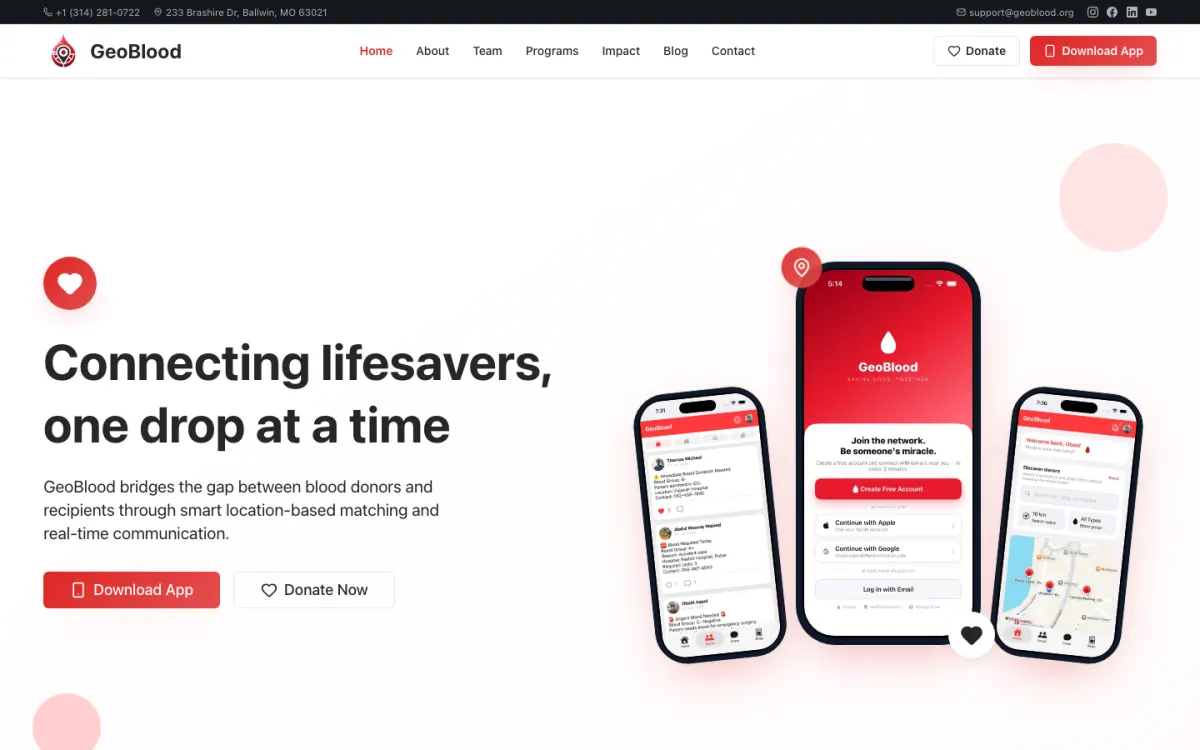
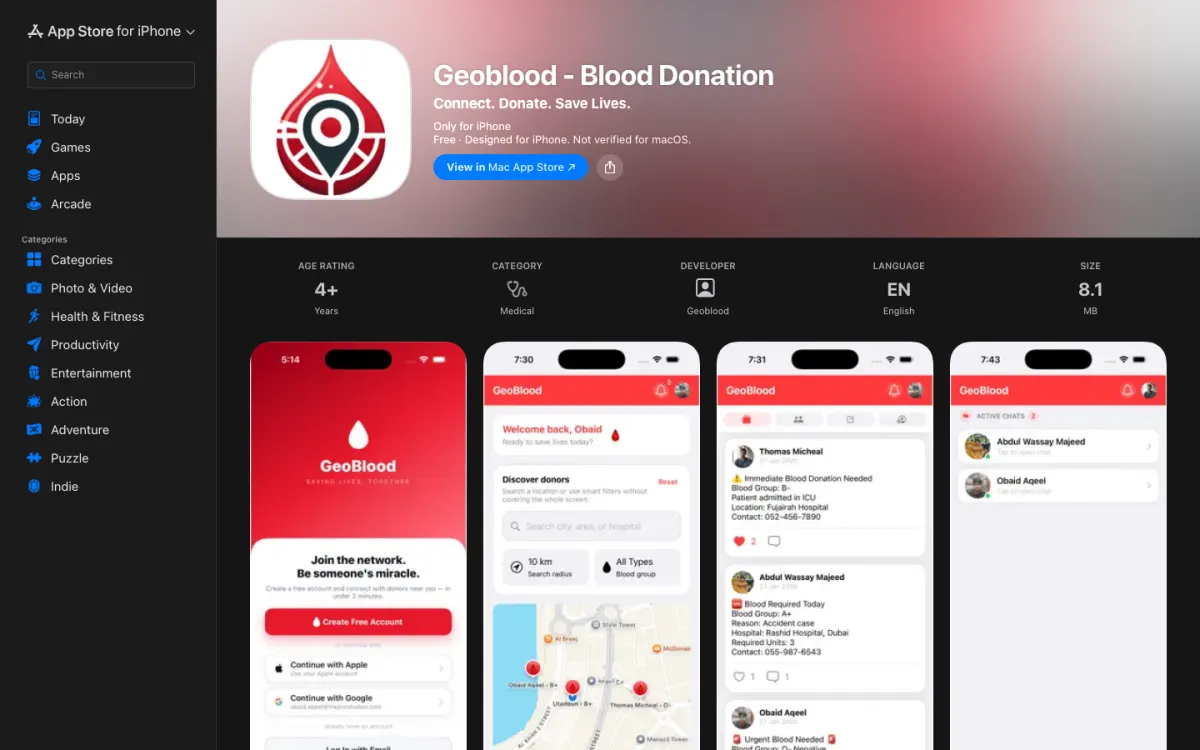
A web and mobile application connecting blood donors with healthcare facilities using a multi-factor matching algorithm that considers blood type, proximity, availability history, and response rate in real time. The data model was designed to support sub-2-second match queries across thousands of donor records. The architecture allowed the platform to scale from pilot to full operation with zero schema changes.
<2s
match query response time at full scale
0
schema changes required to scale
PropFlow
Property operations web application
A multi-module web application managing leases, maintenance, tenant communications, and financial transactions across multiple real estate portfolios. The application replaced four disconnected tools, unifying the data model and enabling real-time cross-portfolio reporting that previously required two days of manual assembly each month.
4→1
tools consolidated into one platform
Real-time
reporting replacing 2-day monthly process
MediSync
Multi-facility healthcare management application
A web application unifying patient records, billing, scheduling, and clinical workflows across three healthcare facilities under a single data model. The application replaced separate systems running in each facility, enabling consolidated reporting across the organisation and reducing billing cycle time from five days to same-day processing.
3
facilities unified under one data model
5d→1d
billing cycle time after launch
Application development in the UAE
UAE application development.
Built with local context.
Jinn Systems builds applications for businesses across Dubai, Abu Dhabi, Sharjah, and the wider UAE. Our work reflects the specific technical and regulatory context of the UAE market: Arabic interface requirements, UAE payment gateway integrations, FTA VAT compliance, and connectivity with e-Government APIs for businesses in permit-heavy sectors.
The industries we work with most in the UAE include real estate and property management, healthcare and clinic operations, logistics and supply chain, fintech and financial services, retail and e-commerce, and professional services businesses operating across multiple emirates.
Applications we build for UAE clients are designed with the regulatory and commercial context of this market built into the architecture. Not added as an afterthought, but designed in from the requirements phase.
Headquarters
Sharjah, UAE
UTC+4 (GST)
UAE compliance
VAT, banking, e-Gov APIs
FTA-compliant systems
Languages
English & Arabic
RTL interface support
Delivery model
Remote-first, UAE timezone
GST working hours
Recent work
Systems we have shipped


Multi-Brand Group
ETS Group

Health Platform
GeoBlood
Mobile Product
GeoBlood App

Air Monitoring
AirSentinel


Environmental Tech
BreatheIO
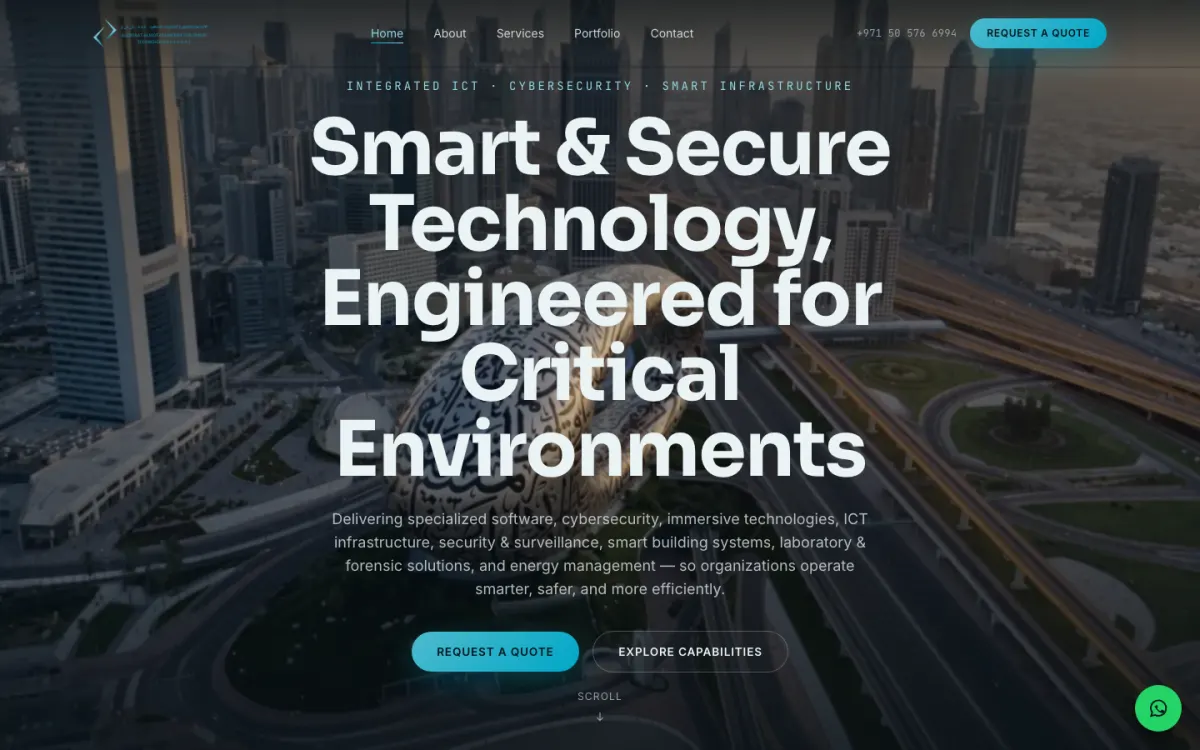

ICT / Security / Systems
Alebdaat
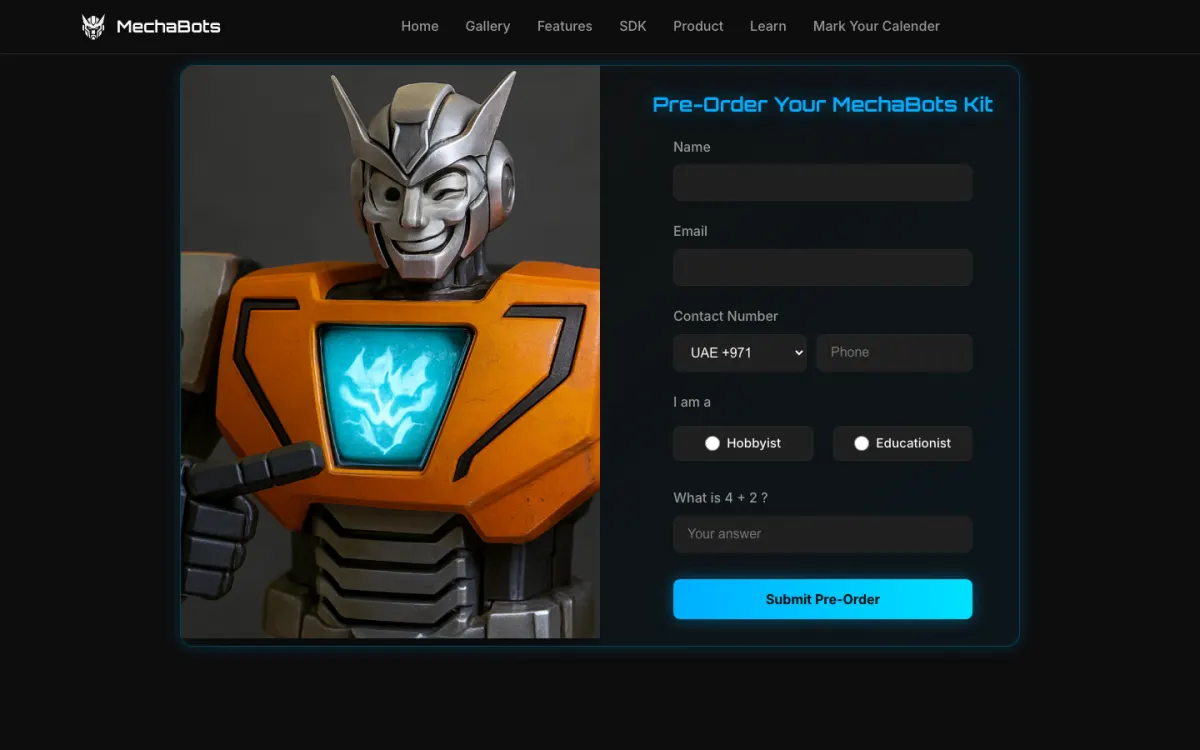

Robotics
MechaBots
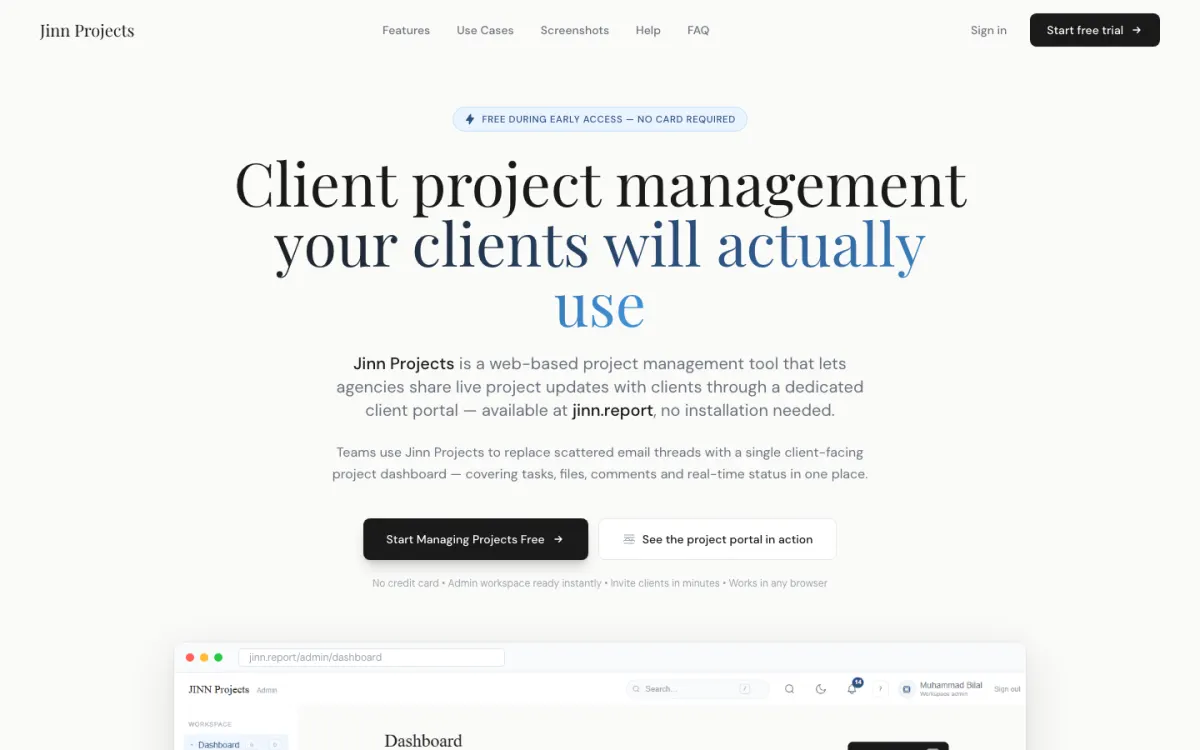

Client Project Workspace
Jinn Reports
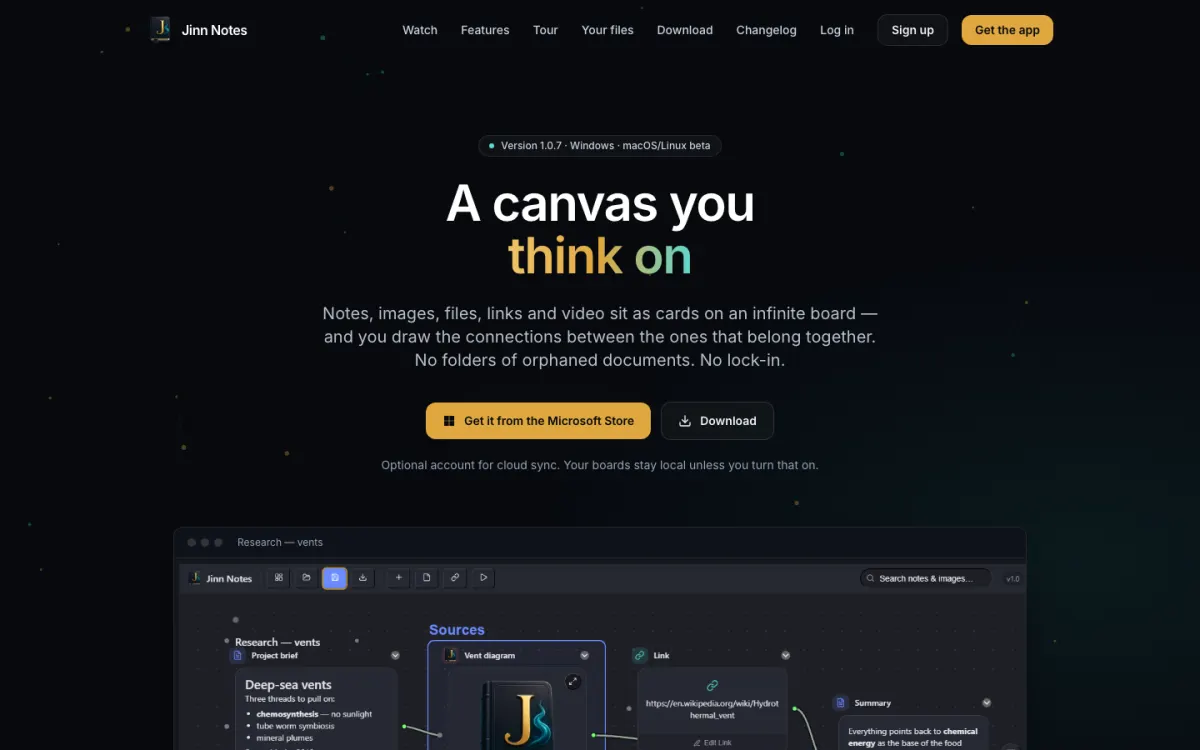

Visual Note-Taking
Jinn Notes
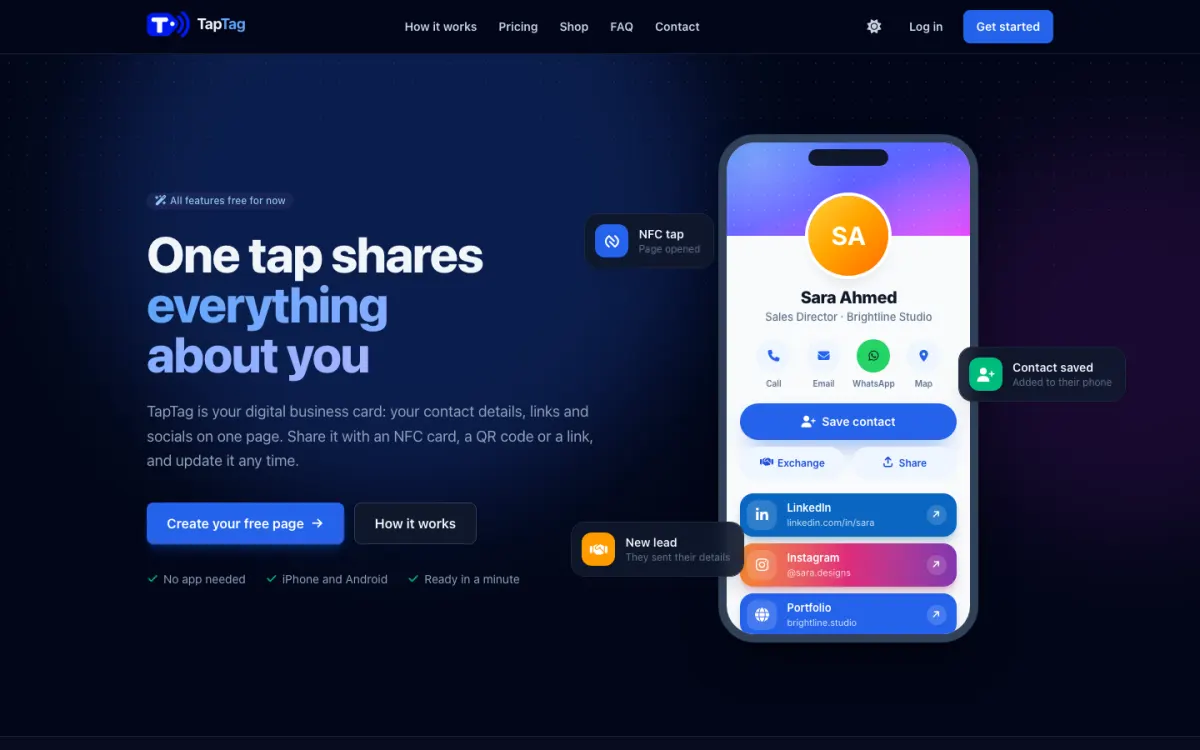

Digital Business Cards
TapTag
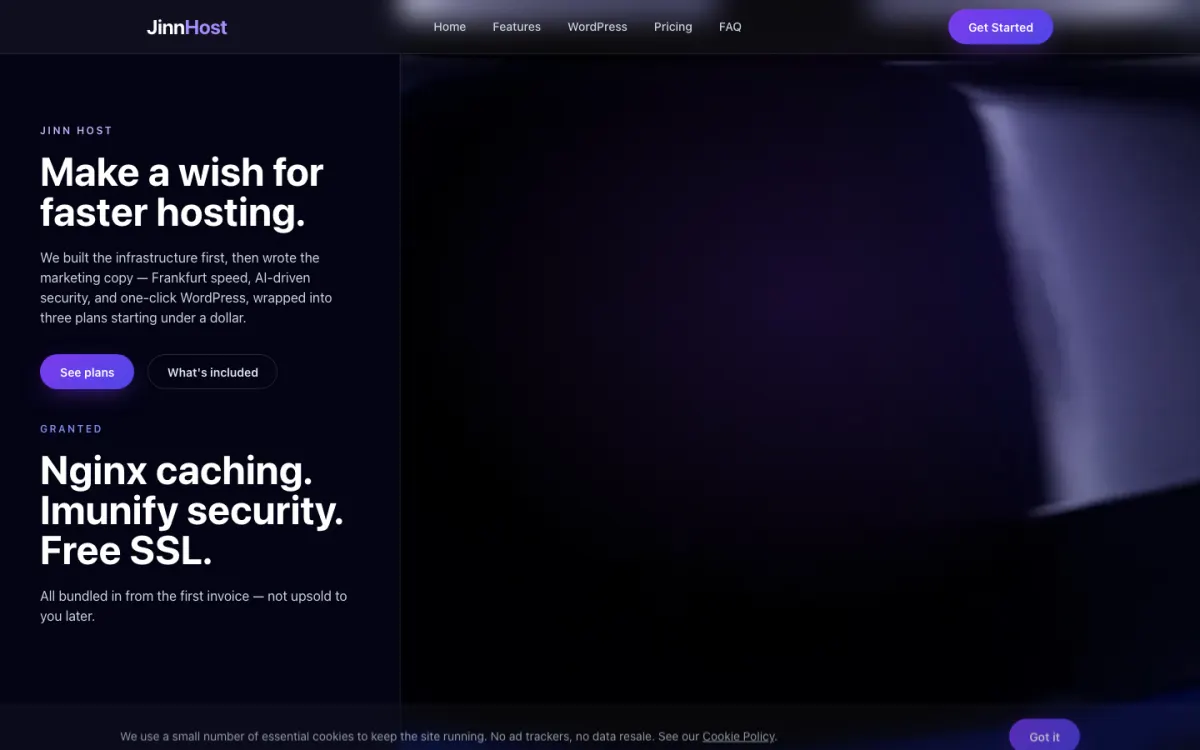

Hosting Infrastructure
JinnHost
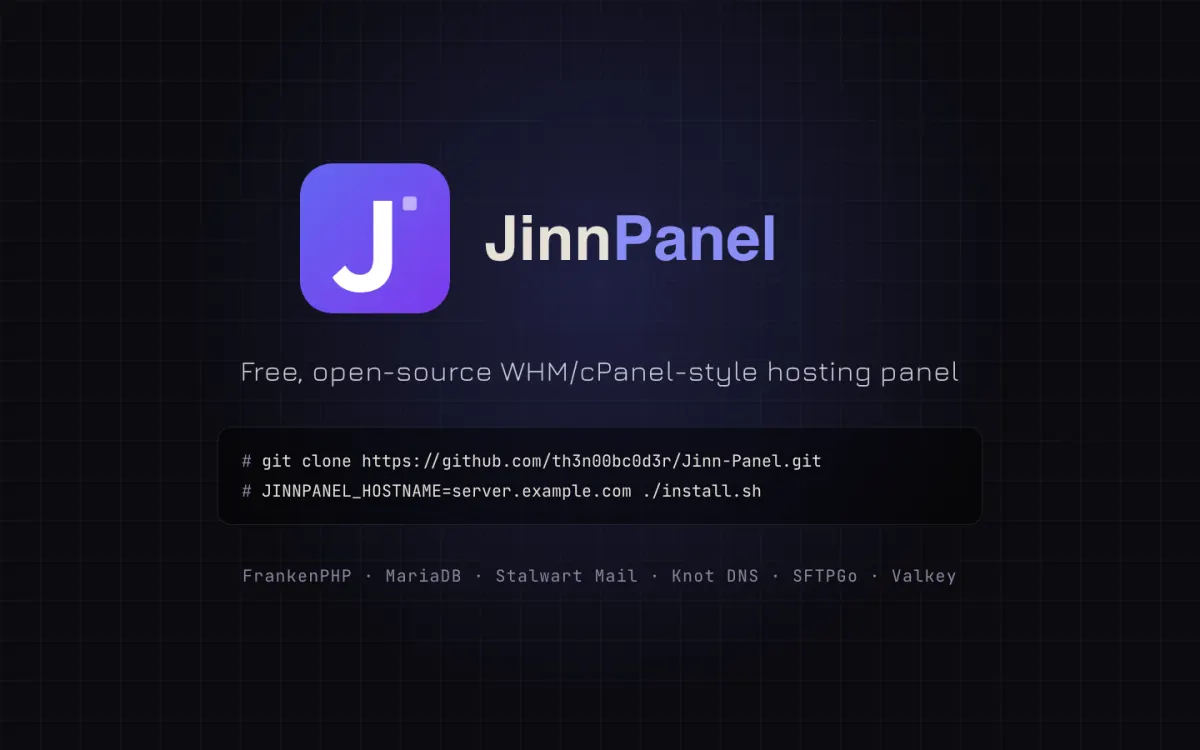
Open-Source Control Panel
Jinn Panel
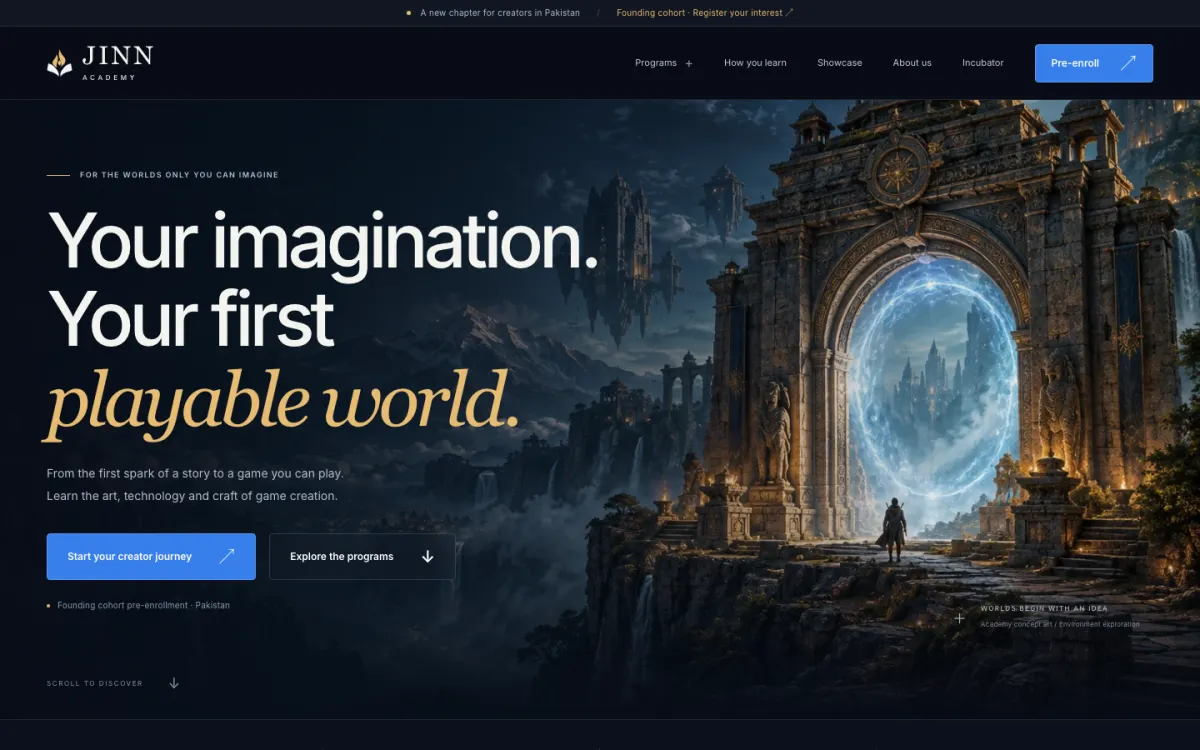

Game Development Academy
Jinn Academy
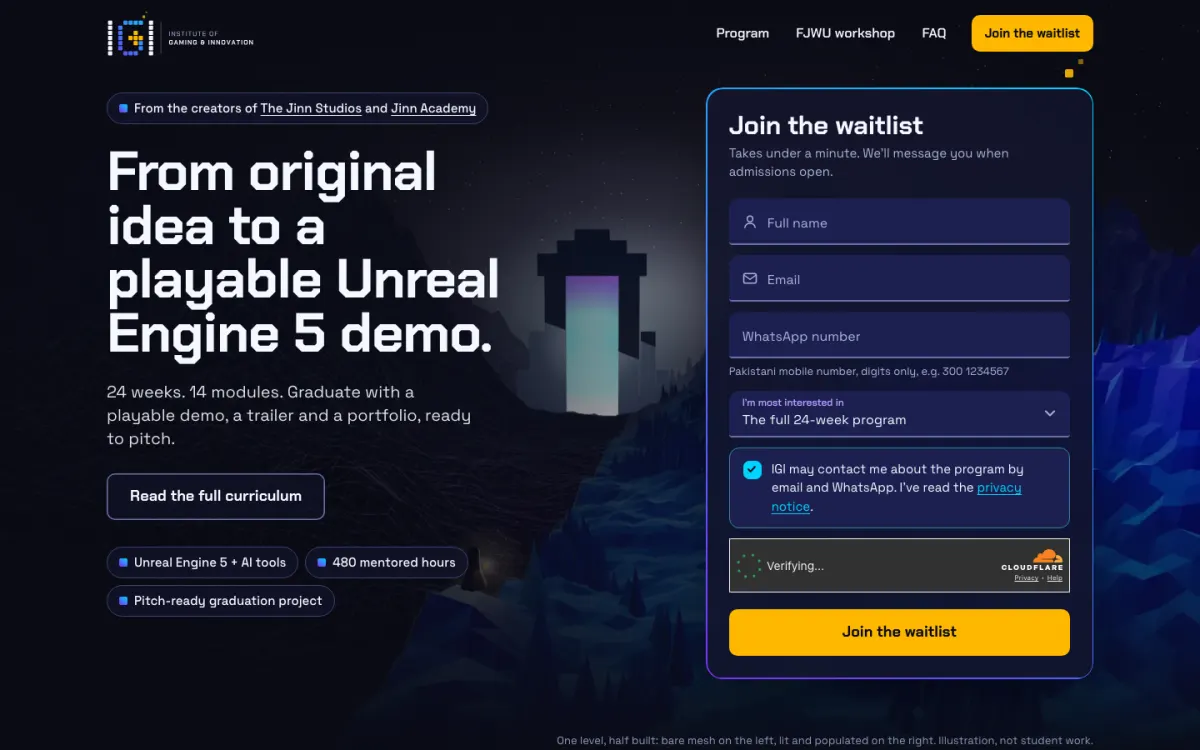

Unreal Engine 5 Program
IGI


Luxury Commerce
SHAZ
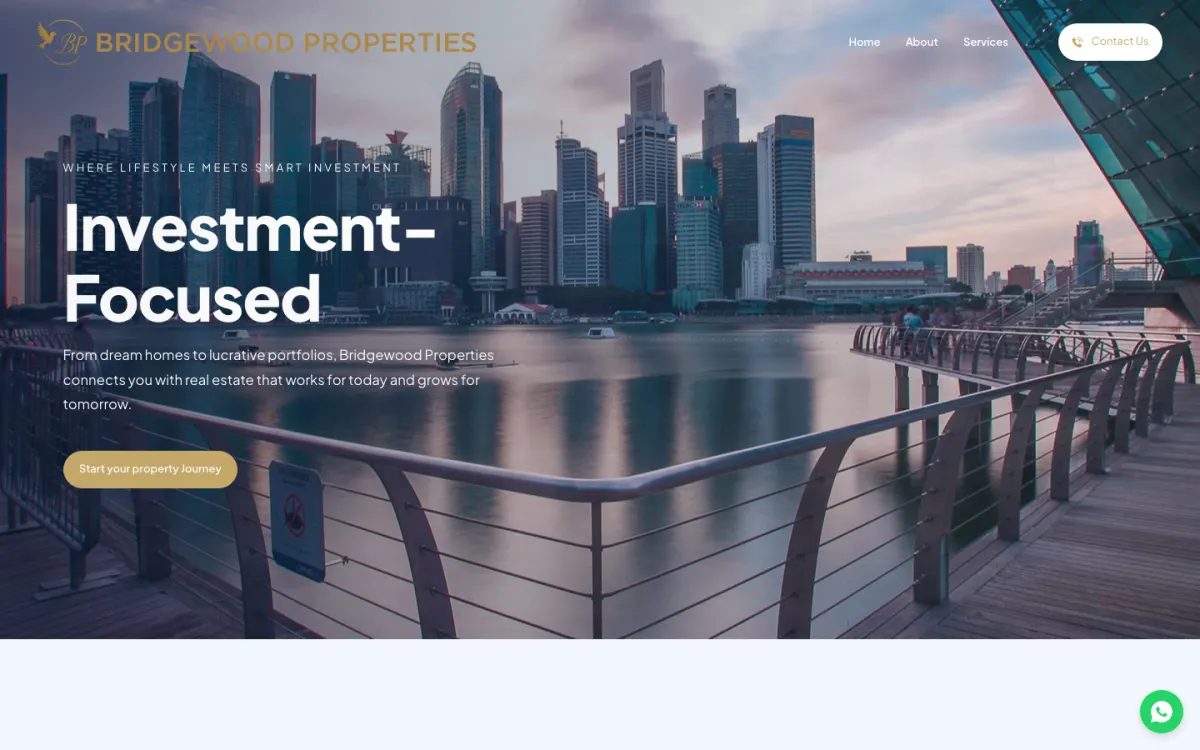

Property
Bridgewood
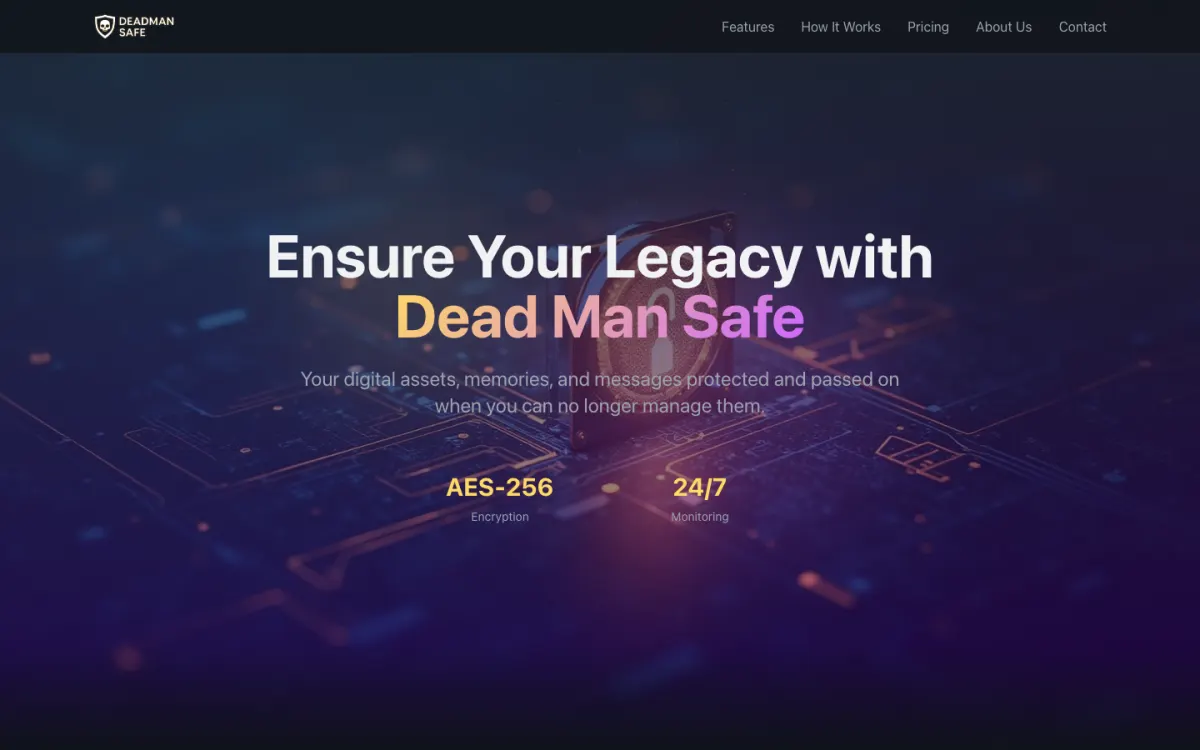

Digital Legacy
Dead Man Safe
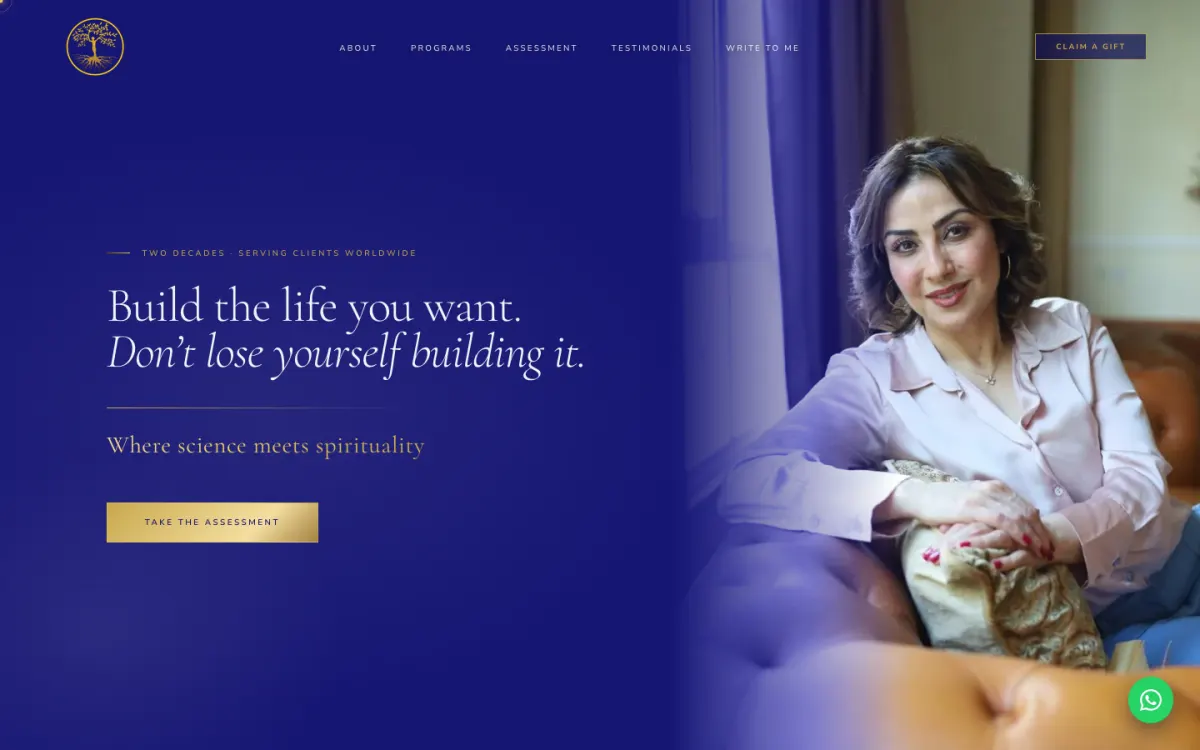

Personal Brand
Shorouk Al Abdallah

Studio
Jinn Studios


Entertainment
Cup Entertainment
Start a conversation
Ready to build an
application that lasts?
Tell us what you are building. We will review the requirements, identify the architectural decisions that matter most, and give you an honest assessment of how to approach the build.
After you reach out
We respond within one business day with an initial read on your application concept and the architectural questions we would want to explore.
Architecture session
A 60-minute session to review the application requirements, data model, integration constraints, and delivery approach. We come prepared with specific questions, not a slide deck.
Proposal
A written architecture proposal with phased delivery plan, timeline, and investment. Specific enough to be a real commitment, not a range designed to avoid accountability.