
Dubai · UAE · Jinn Systems
Ecommerce Website
Development Dubai
UAE ecommerce has specific requirements that generic platforms handle poorly. Payment gateways differ from the rest of the world. A significant portion of UAE consumers still prefer cash on delivery. Arabic product catalogues require more than a translation toggle. VAT on goods must be handled correctly at checkout. Mobile conversion is the primary metric.
Jinn Systems builds custom ecommerce websites for Dubai retailers, brands, and B2B businesses. We are based in Sharjah, serve clients across Dubai, and build online stores with UAE payment integration, bilingual Arabic and English support, and the architecture to handle the volume and complexity the Dubai market demands.
UAE ecommerce requirements
- UAE payment gateway integration: Network International, PayFort, Telr, Paytabs
- Arabic and English bilingual product catalogue with correct RTL layout
- FTA VAT-compliant checkout with AED pricing and tax-inclusive display
Ecommerce Development · Dubai · UAE
Why UAE ecommerce is different
The UAE market has requirements a generic platform was not designed for.
UAE ecommerce operates in a context that most off-the-shelf platforms were not designed for. The payment infrastructure is different: UAE merchants work with local gateways including Network International, PayFort (Amazon Payment Services), Telr, and Paytabs. While international gateways like Stripe and Checkout.com work in the UAE, they are not the primary choice for consumers who prefer local options. A checkout flow that does not offer the right mix of payment methods loses UAE customers before they complete a purchase.
Cash on delivery remains a material portion of UAE ecommerce transactions. COD management, including fraud risk, address verification, and delivery confirmation workflows, requires backend logic that Shopify's standard COD module does not handle at the scale of a serious UAE retailer. Logistics integration with Aramex, Emirates Post, and local last-mile providers has specific API requirements that vary by carrier and delivery zone.
FTA VAT on goods and services must be calculated and displayed at checkout according to UAE tax rules. Tax-inclusive pricing, which is the legal requirement for consumer-facing displays in the UAE, must be handled correctly at the product, cart, and invoice level. VAT registration numbers, tax invoices, and the credit note process for returns all have UAE-specific requirements that affect ecommerce system architecture.
What architecture-first ecommerce means
Built for UAE consumers from the data model out.
Most ecommerce projects fail not because the storefront looks wrong but because the data model underneath it was not designed for the business it needs to run. A product catalogue with Arabic and English content at the same database level behaves differently from a product catalogue with English as primary and Arabic as a translation layer. The difference shows up when you generate an Arabic tax invoice, when you run a search in Arabic, and when you try to report on bilingual catalogue performance.
We design ecommerce systems from the data model first. Product entities, customer records, order structures, pricing rules, and catalogue relationships are defined before a single page is designed. For Dubai retailers selling to both UAE nationals and expats, this means the bilingual architecture is correct from day one, not retrofitted when the Arabic site launch reveals the underlying structure cannot support it.
Dubai is also a significant cross-border ecommerce hub. Businesses shipping across the GCC, importing for local retail, or operating free zone ecommerce entities under a DMCC or DIC license face different inventory and customs documentation requirements. We incorporate these requirements into the order management and warehouse integration architecture from the start, not as an afterthought when the business scales.
What we build for Dubai retailers
Ecommerce platforms for Dubai's market.
Consumer Ecommerce
Direct-to-consumer online stores
Custom D2C ecommerce websites for Dubai fashion, beauty, electronics, and lifestyle brands selling directly to UAE consumers. Arabic and English bilingual, UAE payment gateways, mobile-first checkout, and FTA VAT-compliant invoicing built into the architecture from the start.
Web Application Development →B2B Ecommerce
B2B ordering and wholesale platforms
Ecommerce platforms for Dubai trading companies, distributors, and wholesalers managing B2B orders from UAE and GCC buyers. Customer-specific pricing tiers, purchase order workflows, credit account management, and custom invoice generation designed for the UAE B2B buying process.
Custom Software Development →Multi-brand Marketplace
Dubai-based multi-vendor platforms
Multi-vendor ecommerce marketplaces for Dubai businesses aggregating multiple sellers or brands under one platform. Vendor onboarding, split payment processing, commission management, independent vendor dashboards, and UAE regulatory compliance for each seller entity.
SaaS Development →Omnichannel Retail
Online-to-offline for Dubai retailers
Ecommerce platforms connected to physical Dubai retail operations: unified inventory across online and in-store, click-and-collect, in-store returns for online orders, and shared customer data. Dubai Mall and Dubai retail-scale inventory management with real-time sync across all sales channels.
Custom Software Development →Food & Grocery
Online ordering and delivery platforms
Custom online ordering systems for Dubai food and grocery businesses operating their own delivery fleet or using third-party carriers. Real-time inventory, delivery zone management, time-slot scheduling, and driver dispatch built around the operational model of Dubai food retail and dark kitchen businesses.
Mobile App Development →Ecommerce Rebuild
Migrating off Shopify or WooCommerce
Re-platforming for Dubai businesses that have outgrown Shopify or WooCommerce: custom checkout logic, complex pricing rules, advanced inventory management, or bilingual requirements the platform cannot handle without expensive workarounds. Full data migration with zero downtime cutover.
Web Development Dubai →What every Dubai ecommerce platform requires
Architecture decisions that determine ecommerce performance.
Product Catalogue Architecture
The product data model defines what is possible at every level above it. Bilingual product entities, variant structures, category hierarchies, and pricing rules must be designed to match the specific catalogue and business model. A catalogue built wrong requires a rebuild when the business grows, not a reconfiguration.
UAE Payment Integration
UAE checkout requires gateway selection logic, 3DS handling per card network, COD order management, refund processing per gateway, and split payment handling for multi-vendor platforms. Each gateway has different webhook structures, reconciliation formats, and failure handling requirements that must be built correctly once and not patched later.
Bilingual Content Structure
Arabic and English content at the database level, not as a translation overlay. Product names, descriptions, category labels, notification content, invoice text, and customer communications all require correct RTL rendering in Arabic and correct typography handling for both scripts simultaneously within the same system.
FTA VAT Compliance
UAE Federal Tax Authority VAT requirements for ecommerce include tax-inclusive display pricing, VAT-line-item tax invoices for orders above AED 10,000, credit notes for returns, and correct VAT treatment for exempt and zero-rated categories. The tax logic must be validated against FTA requirements before the store goes live, not after the first audit.
Logistics & Inventory Integration
UAE ecommerce logistics involves real-time inventory across warehouse locations, carrier API integration for Aramex, DHL, and Emirates Post, last-mile delivery zone management, and return merchandise handling. Inventory accuracy at the moment of purchase, not at the end of the day, determines customer experience and oversell risk.
Mobile Performance
More than 70% of UAE ecommerce transactions occur on mobile. Page load time, checkout step count, and payment confirmation speed on mobile networks in the UAE are the primary determinants of conversion rate. Performance is designed into the architecture, not optimised as an afterthought when Google Search Console shows poor Core Web Vitals.
Dubai ecommerce by industry
Industries we build ecommerce for in Dubai.
Fashion & Apparel
Custom ecommerce for Dubai fashion brands and multi-brand boutiques. Size guides in both metric and standard measurements, lookbook integration, seasonal sale management, and influencer-driven product launch workflows for the UAE social commerce model.
Electronics & Tech
Ecommerce platforms for Dubai electronics retailers managing high-SKU catalogues, warranty registration, grey market distinction, and the UAE's specific import compliance requirements. Technical specification comparison tools, bundle pricing, and trade-in workflows built for the UAE tech retail context.
Beauty & Personal Care
Online stores for Dubai beauty brands and distributors with subscription ordering, shade-finder tools, loyalty programme integration, and Ministry of Health product registration verification built into the catalogue management system for compliant UAE beauty retail.
Trading & Distribution
B2B ordering platforms for Dubai trading companies and distributors managing wholesale orders from UAE, GCC, and international buyers. Custom pricing by buyer segment, purchase order import, minimum order quantities, and customs documentation generation for cross-border shipping from Dubai's logistics hub.
Home & Furniture
Ecommerce for Dubai furniture and home goods retailers: room visualisation, delivery scheduling with assembly booking, large-item delivery zone management, and custom order workflows for made-to-order pieces with manufacturer lead times integrated into the customer experience.
Healthcare & Pharmacy
Online pharmacy and medical supply ecommerce for Dubai businesses operating under DHA licensing. Prescription verification workflows, controlled substance restrictions, pharmacist review queues, and DHA-compliant dispensing records built into the order management architecture for regulated healthcare ecommerce in Dubai.
Based in Sharjah. Serving Dubai ecommerce businesses.
UAE-based development
for Dubai retail.
Jinn Systems is headquartered in Sharjah, which means we operate in the same UAE business context as our Dubai clients. We understand the Dubai retail environment, the UAE consumer expectations, and the regulatory and commercial conditions that shape ecommerce architecture decisions in this market. When we review requirements for a Dubai ecommerce project, we are not asking questions about the market that the client needs to explain from first principles.
For free zone businesses operating under DMCC, DIC, or Dubai Airport Free Zone licenses, we understand the implications for VAT registration, inter-emirate shipping, and the customs documentation requirements that apply to free zone ecommerce operations. For mainland Dubai businesses, the DED trade license conditions and Ministry of Economy requirements for online retail inform the compliance architecture from the first session.
Dubai is also one of the largest cross-border ecommerce logistics hubs in the MENA region. Businesses re-exporting through Dubai, operating bonded warehouse ecommerce, or serving GCC buyers from Dubai have supply chain and customs documentation requirements that affect the order management architecture. We design these requirements into the system from the start.
Payment gateways
Network International
PayFort, Telr, Paytabs, Checkout.com
Logistics integration
Aramex, DHL, Emirates Post
Real-time carrier APIs
Tax compliance
FTA VAT for ecommerce
Tax invoices and credit notes
Language support
Arabic RTL + English
Database-level bilingual
Recent work
Systems we have shipped


Multi-Brand Group
ETS Group
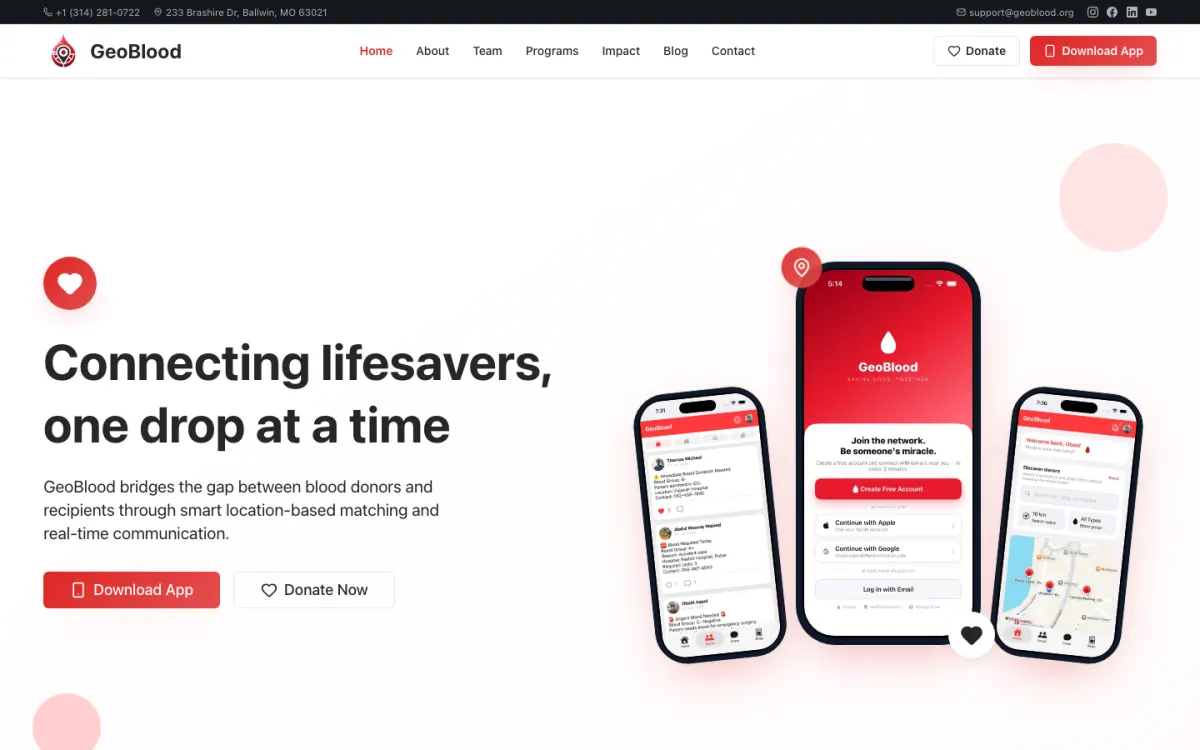

Health Platform
GeoBlood
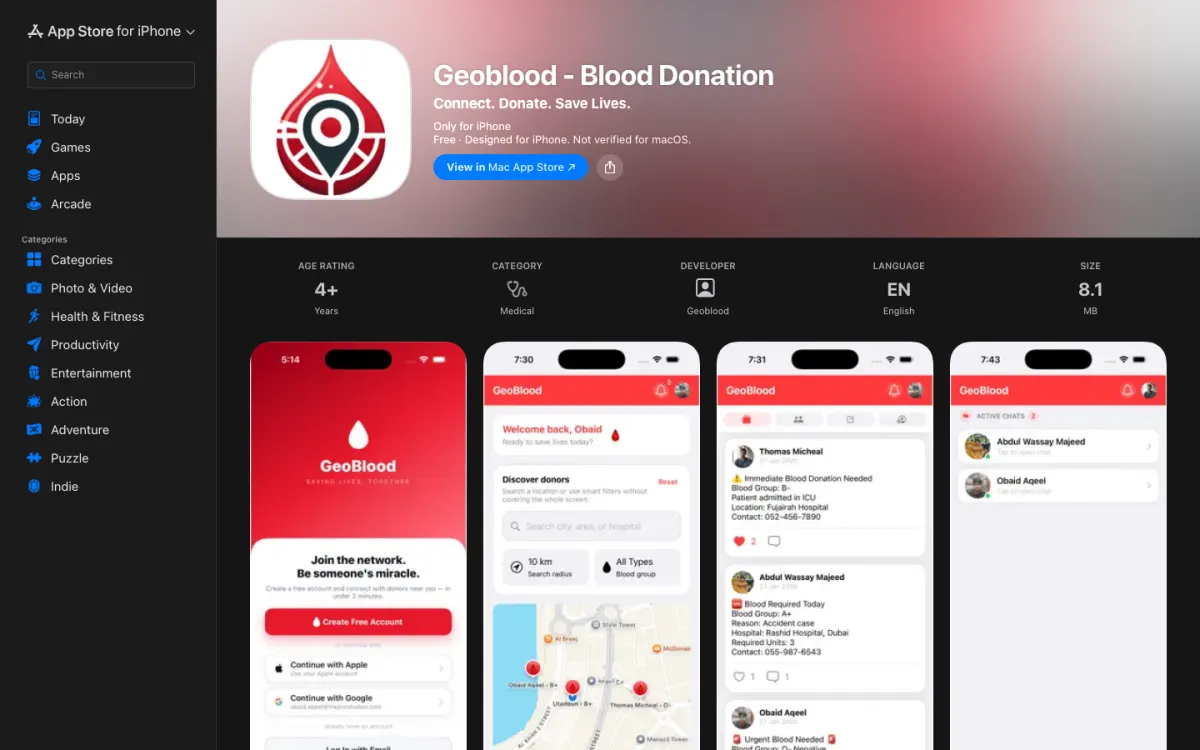
Mobile Product
GeoBlood App


Air Monitoring
AirSentinel


Environmental Tech
BreatheIO


ICT / Security / Systems
Alebdaat
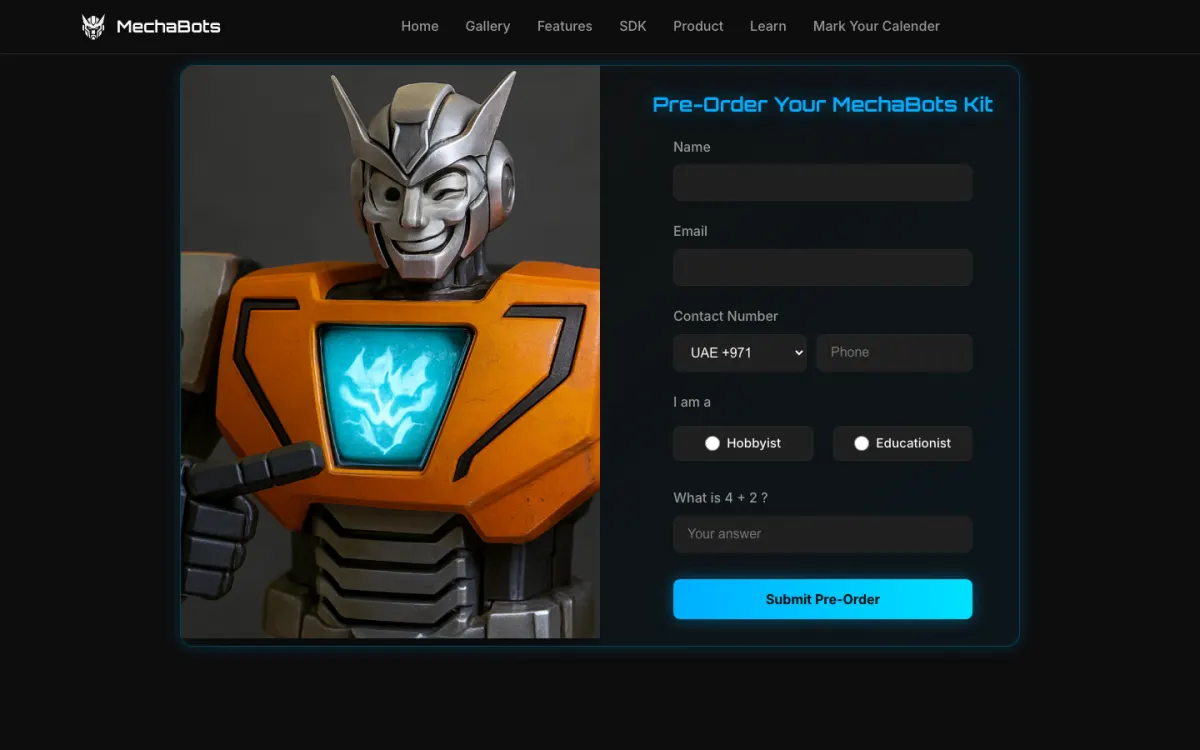

Robotics
MechaBots


Client Project Workspace
Jinn Reports


Visual Note-Taking
Jinn Notes
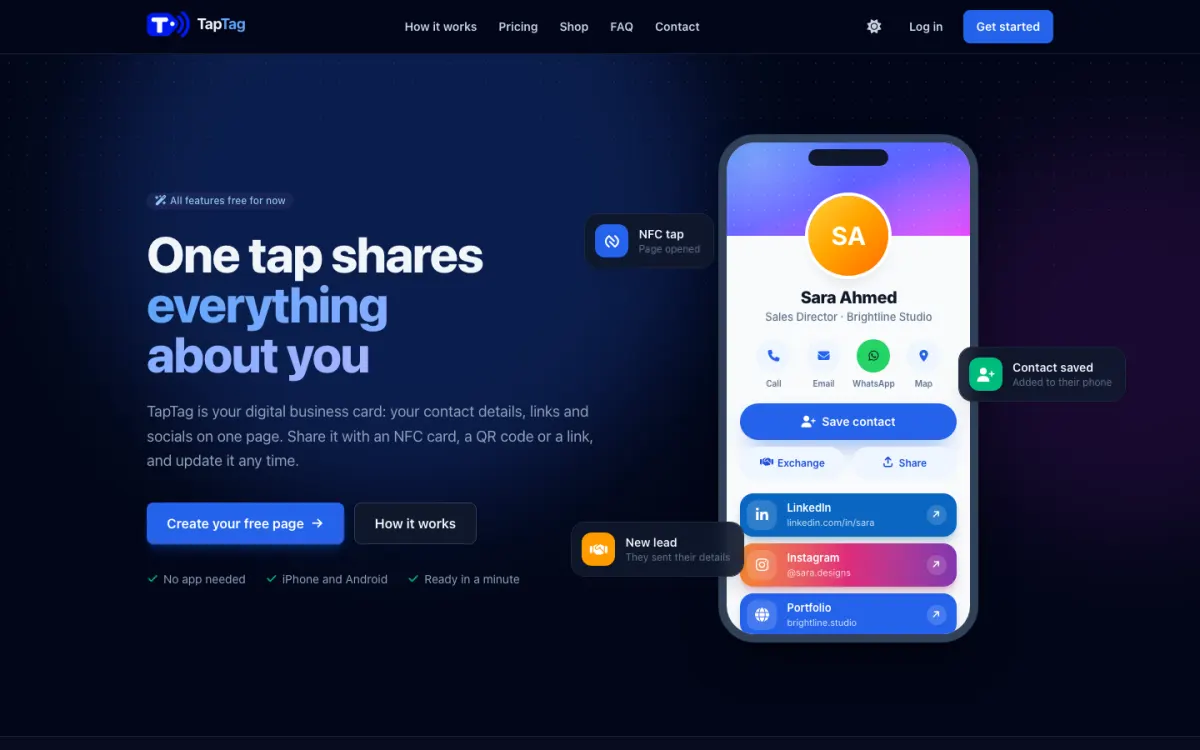

Digital Business Cards
TapTag


Hosting Infrastructure
JinnHost
Open-Source Control Panel
Jinn Panel


Game Development Academy
Jinn Academy


Unreal Engine 5 Program
IGI


Luxury Commerce
SHAZ


Property
Bridgewood

Digital Legacy
Dead Man Safe


Personal Brand
Shorouk Al Abdallah


Studio
Jinn Studios


Entertainment
Cup Entertainment
Start a conversation
Building an ecommerce
business in Dubai?
Tell us about the ecommerce project and the Dubai market context it operates in. We will review the requirements, the UAE compliance and payment architecture questions, and give you an honest assessment of what a custom build requires versus what a platform can handle.
After you reach out
We respond within one UAE business day with an initial read on the project and the UAE ecommerce architecture questions we would want to address in scoping, including payment gateway selection and VAT compliance requirements.
Discovery session
A requirements session covering the business model, product catalogue structure, UAE payment and logistics needs, bilingual requirements, and the ecommerce architecture decisions that will determine what is possible at scale.
Proposal
A written architecture proposal with phased delivery plan, UAE compliance design, timeline, and investment. Specific to the ecommerce requirements, not a template with your name on it.