CRM Systems · Jinn Systems
Custom CRM
Development
Salesforce and HubSpot were designed for the average sales process. When your process is not average, you spend more time adapting to the tool than the tool saves you.
Jinn Systems builds custom CRM systems designed around the actual sales process of the business. The pipeline stages, the customer entity, the automation logic, and the reporting structure all reflect how the team actually works, not how a vendor assumes sales teams work.
What we design first
- Sales process mapping: stages, transitions, and decision points
- Customer entity structure: contacts, accounts, deals, and relationships
- Integration architecture: ERP, communication tools, and reporting systems
Services · CRM Systems · Custom Development
Why CRM adoption fails
The tool does not match the process.
Most CRM failures are adoption failures. The system is configured and launched, but the team does not use it. The pipeline stages do not match how the team actually qualifies leads. The customer record does not hold the fields the team actually needs. The automation fires at the wrong moments. Within months, critical information lives in email threads and WhatsApp conversations rather than the system.
Generic CRM platforms assume a linear sales process: lead enters, moves through defined stages, closes. Most real sales processes are not linear. B2B deals involve multiple contacts, parallel decisions, returning prospects, and complex approval hierarchies. Configuring a linear-stage CRM to model a non-linear process requires workarounds that accumulate until the tool becomes an overhead rather than a tool.
The result is a CRM that the business pays for but does not trust. Decisions get made without it. Reports are inaccurate because data is incomplete. Forecasting is impossible because the pipeline does not reflect reality.
The custom CRM approach
CRM built for the sales process you have.
A custom CRM system starts with a sales process mapping exercise: the actual stages the team uses, the entities that matter, the information captured at each step, and the transitions that move a deal through the system. The architecture reflects this, not a generic template.
Pipeline stages are defined by the business. Customer entities contain the fields and relationships the team actually uses. Automation rules are built around the workflow conditions that exist in this business, not approximated from a library of pre-built triggers. Reporting is designed to answer the questions the sales leadership actually asks.
A CRM that reflects the team's actual process gets used. When the team uses it, the data is accurate. When the data is accurate, the reporting is meaningful. When the reporting is meaningful, decisions are made from the system rather than from intuition and gut feel about deals no one can see clearly.
65%
of CRM implementations fail primarily due to poor adoption, not technical failure
2–3x
cost to configure a generic CRM to match a complex sales process vs building one that fits it
01 — Process before platform
The sales process is mapped and documented before any development begins. The CRM is built to match the process, not the process adapted to match the CRM's assumptions.
02 — Integration as architecture
The CRM does not exist in isolation. Connections to email, communication tools, ERP systems, and reporting platforms are designed in from the start, not connected through fragile middleware.
03 — Reporting by design
Pipeline visibility, conversion tracking, forecast accuracy, and team performance reporting are designed into the data model. Real-time dashboards, not monthly exports.
The decision
Custom CRM vs off-the-shelf.
Off-the-shelf CRM (Salesforce, HubSpot, Pipedrive)
Faster to start, lower initial investment
Large ecosystem of integrations and plugins
Established user training and documentation available
Process must adapt to the tool's pipeline model
Per-seat licensing scales with headcount regardless of usage
Custom fields, workflows, and reports require paid add-ons or complex configuration
ERP integration typically requires expensive middleware or manual data entry
Data lives in the vendor's infrastructure, subject to their pricing and availability
Custom CRM (Jinn Systems)
Pipeline stages, entities, and logic match the actual sales process
No per-seat licensing: one investment, permanent ownership
ERP integration is architectural, not a middleware layer
Data model designed for the reporting questions the business needs answered
Automation rules built around actual workflow conditions, not template triggers
Full data ownership and infrastructure control: no vendor dependency
Higher initial investment and longer build timeline than off-the-shelf deployment
Requires accurate requirements capture and active stakeholder involvement during build
When custom CRM is the right choice
Custom CRM development makes economic sense when the annual cost of generic CRM licensing, configuration overhead, workaround maintenance, and manual integration work exceeds the one-time investment in a system built for the business. For most organisations with 15 or more sales team members and a non-standard sales process, that crossover point is within 24 to 36 months of the initial build investment.
Core modules
What a custom CRM system contains.
Lead & Contact Management
A contact and account data model built around the entities in the business. Individual contacts, companies, multi-stakeholder accounts, and the relationships between them. Lead capture from multiple sources, duplicate detection, lead scoring based on criteria relevant to the business, and assignment logic that matches how the team distributes work.
Connects to: marketing automation, website forms, email
Custom Sales Pipeline
Pipeline stages defined by the actual sales process: the transitions that move deals forward, the conditions that qualify a deal for each stage, and the actions required at each step. Non-linear pipelines, parallel stages, and multi-track processes for different deal types are first-class features, not workarounds. Deal value, probability weighting, and close date forecasting built around the team's methodology.
Connects to: reporting, forecasting, commission calculations
Interaction Tracking
Full interaction history on every contact and deal: email threads, call logs, meeting notes, proposal versions, and document exchange. Interactions linked to the right entities automatically where possible. Context is always available to any team member accessing a contact, without requiring manual entry to reconstruct the conversation history.
Connects to: email, WhatsApp, VoIP, meeting scheduling
Automation & Workflows
Automation rules triggered by real workflow conditions: deal stage changes, time elapsed without activity, contract signed, payment received. Follow-up reminders, task creation, notification routing, and communication triggers. Automation designed around the specific conditions of the business, not template sequences adapted from a plugin marketplace.
Connects to: email, messaging, task management
Reporting & Analytics
Pipeline dashboards, conversion rate tracking, stage-by-stage drop-off analysis, team and individual performance metrics, and sales forecast accuracy. Reports designed to answer the questions the sales leadership actually asks — not a generic reporting library that requires hours of configuration to produce a meaningful view. Real-time data, not weekly exports.
Connects to: ERP financial data, forecasting models
ERP & System Integration
When the CRM is connected to a custom ERP, the customer record spans the full lifecycle: from first contact through to invoicing, delivery, and post-sale support. No duplicate data entry. No data inconsistency between the sales view and the operations view of the same customer. Integration is architectural when both systems are custom-built, not a middleware layer connecting two systems that were not designed for each other.
Connects to: ERP system, billing, inventory
From the field
Custom CRM built for real sales teams.
SalesFlow
Non-linear B2B pipeline for a 40-person sales organisation
SalesFlow's B2B sales process involved multiple decision-makers per account, deals that could re-enter the pipeline after losing, and a qualification framework that did not map to a linear stage model. They had been using a commercial CRM for two years and had 40 salespeople recording data in parallel systems because the CRM did not reflect how they actually worked.
The custom CRM we built modelled the process accurately: multi-stakeholder deal records, a non-linear pipeline with explicit re-entry conditions, parallel qualification tracks for different deal sizes, and an account-level view that showed all active opportunities, contacts, and interaction history in a single screen. The pipeline visibility gave leadership a real-time view across three regions.
Within the first quarter of launch, conversion tracking became accurate for the first time — because the stages reflected real transitions rather than approximated workflow positions. Forecast accuracy improved because the data in the pipeline was data the team actually maintained.
40
salespeople on a single unified system
3
regions unified under one pipeline view
Accurate
conversion tracking from first quarter post-launch
PropFlow
Lead management for a real estate sales operation
PropFlow received leads from multiple sources — website, portals, referrals, and walk-ins — with frequent duplicates and no clear assignment logic. Response times varied by channel and team member. High-value leads went cold because there was no systematic follow-up.
The custom CRM built cross-source deduplication, automatic lead assignment based on lead source and agent availability, and timed follow-up tasks with escalation if not actioned. Duplicate lead rate went to near zero. Response time became consistent across channels.
≈0
duplicate leads after deduplication system
Auto
lead assignment eliminating manual routing
The wider system
CRM as the front end of your business system.
A CRM manages the customer-facing side of the business: who the contacts are, where deals stand, what has been agreed, and what is scheduled. An ERP manages the operational side: inventory, procurement, finance, and delivery. When these two systems share a common data model, the customer record spans both sides of the business.
When a deal closes in the custom CRM, the connected ERP can automatically create a sales order, check inventory, trigger a procurement workflow if stock is short, and generate a draft invoice. No manual re-entry. No discrepancy between what was sold and what was recorded in finance. The handoff from sales to operations happens in the system, not in an email.
This level of integration is only possible when both systems are built on a shared architecture. Commercial CRM and ERP products were not designed to share a data model. Integrating them requires middleware, custom connectors, and an ongoing maintenance cost every time either system updates its API. Custom-built systems share the same database or communicate through a clean internal API with no translation layer.
For businesses building both a CRM and an ERP, or extending one to connect to the other, the architectural decisions are made together. The customer entity in the CRM is the same entity that flows through to operations in the ERP. There is one record, one truth, and one version of the customer relationship across the entire business.
Custom CRM in the UAE
CRM built for UAE sales culture.
Relationship-first, data-backed.
Business relationships in the UAE are relationship-driven before they are transactional. Trust is built over time, referrals carry significant weight, and the decision-making process often involves more stakeholders than a standard B2B sales process assumes. A CRM that treats every contact as a linear deal is a poor fit for this market.
Custom CRM systems we build for UAE clients model the relationship layer explicitly: account hierarchy, referral source tracking, relationship strength indicators, long-term account nurturing workflows, and communication records in both English and Arabic. For businesses with Arabic-speaking customers or staff, bilingual interface support is built into the system, not retrofitted.
We build custom CRM systems across Dubai, Abu Dhabi, Sharjah, and the wider UAE for businesses in real estate, professional services, healthcare, financial services, and distribution — sectors where client relationships drive revenue and where standard CRM templates consistently fail to capture how those relationships work.
Headquarters
Sharjah, UAE
UTC+4 (GST)
UAE CRM expertise
Relationship-driven sales models
Bilingual interface support
Languages
English & Arabic
RTL CRM interface support
Integration
CRM + ERP architecture
Single shared data model
Recent work
Systems we have shipped


Multi-Brand Group
ETS Group
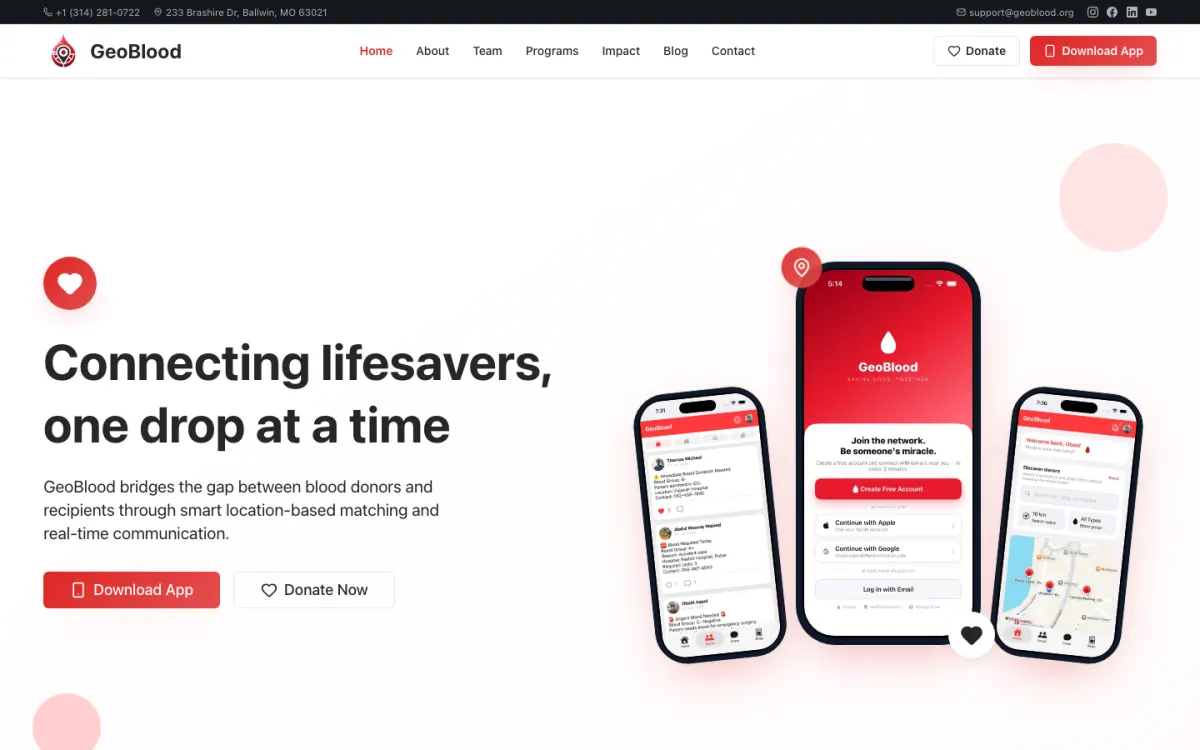

Health Platform
GeoBlood
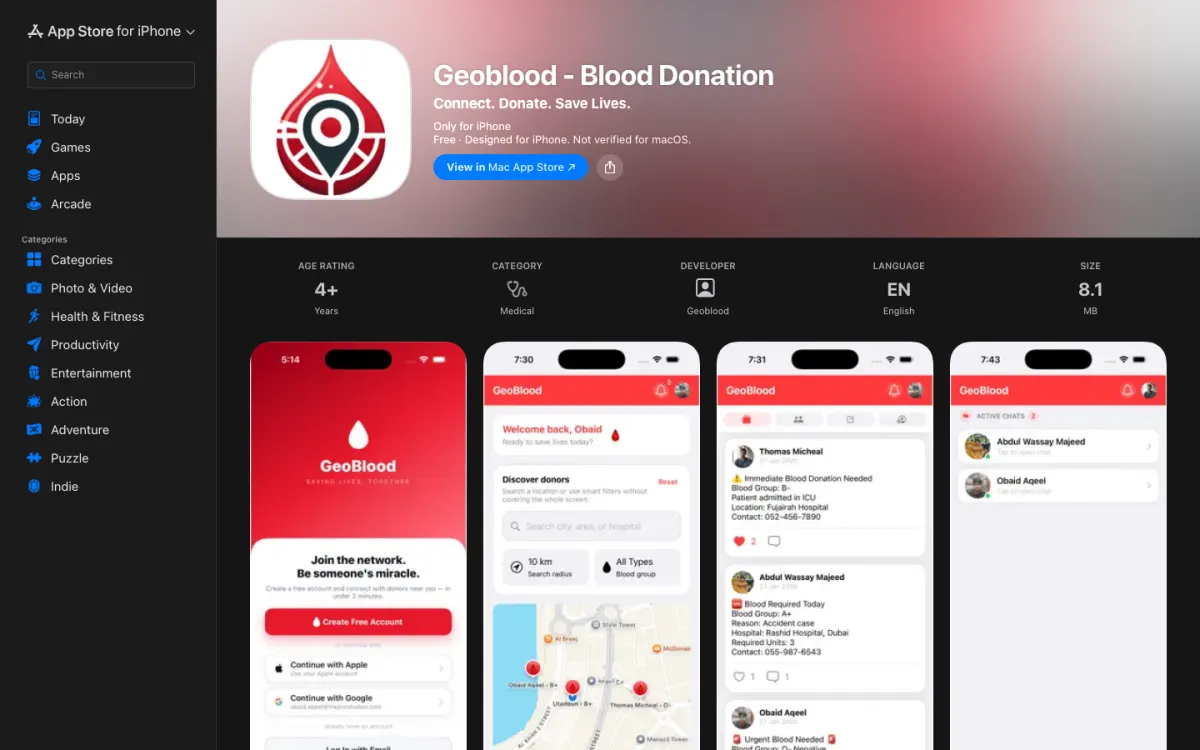
Mobile Product
GeoBlood App
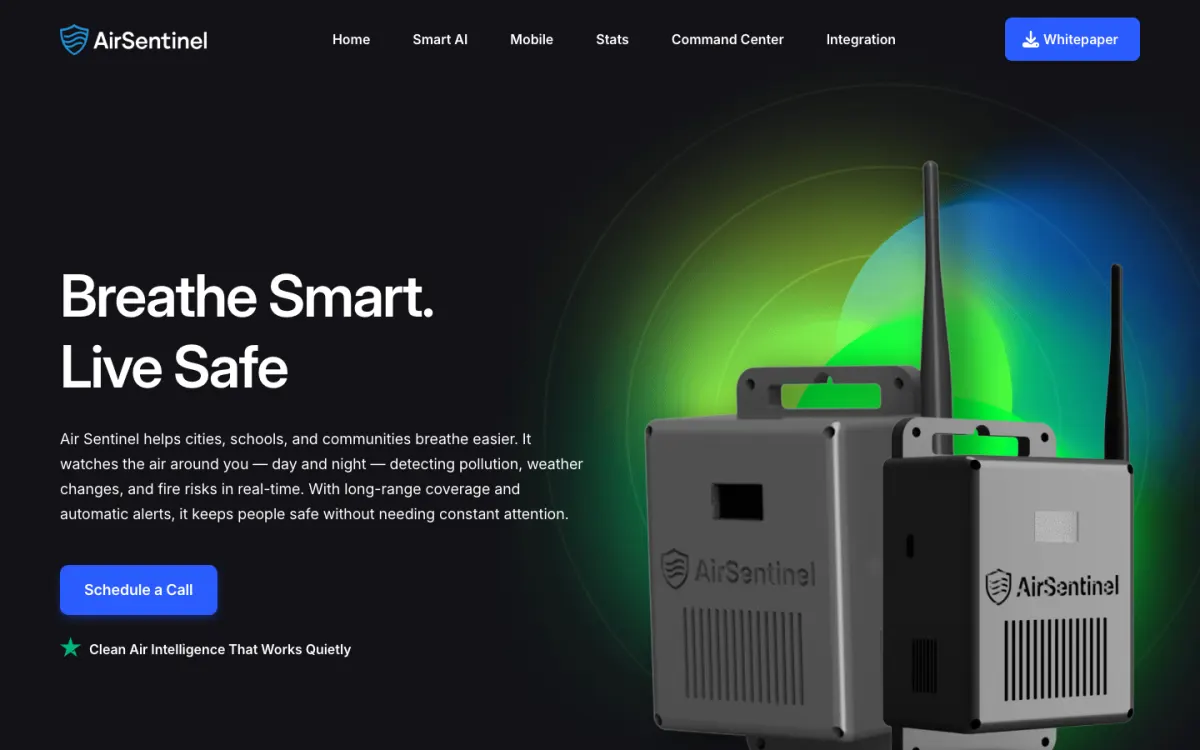

Air Monitoring
AirSentinel


Environmental Tech
BreatheIO
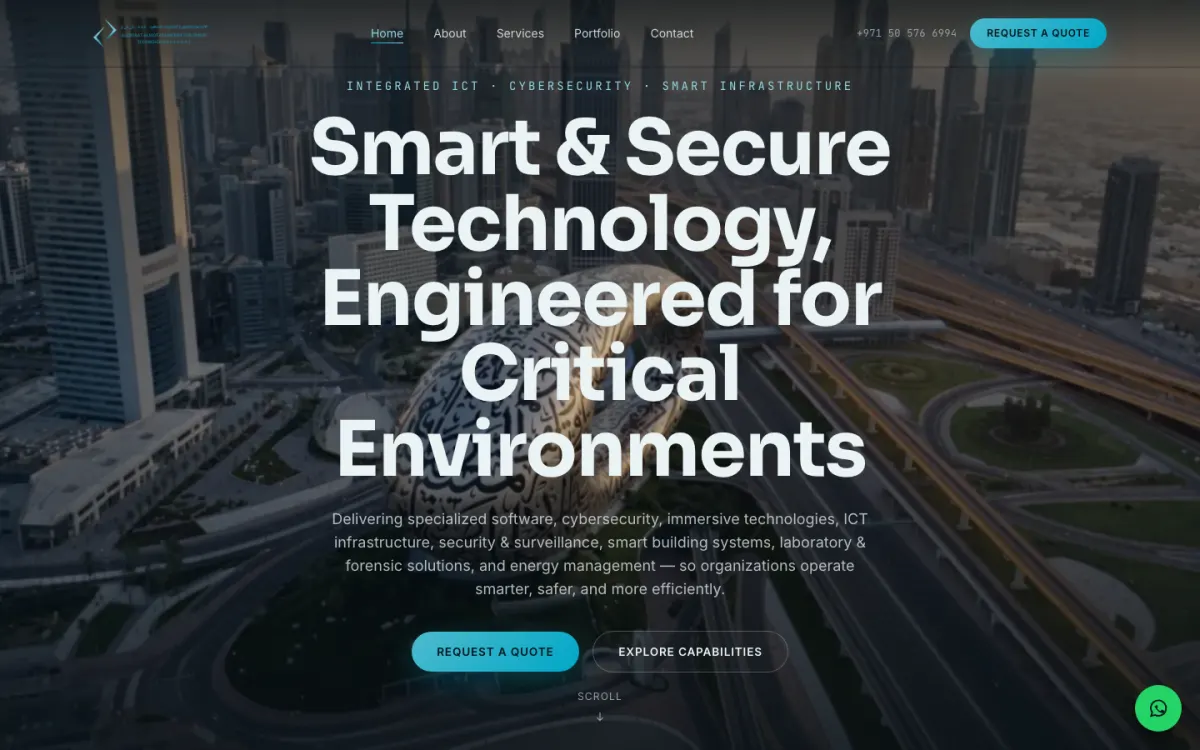

ICT / Security / Systems
Alebdaat
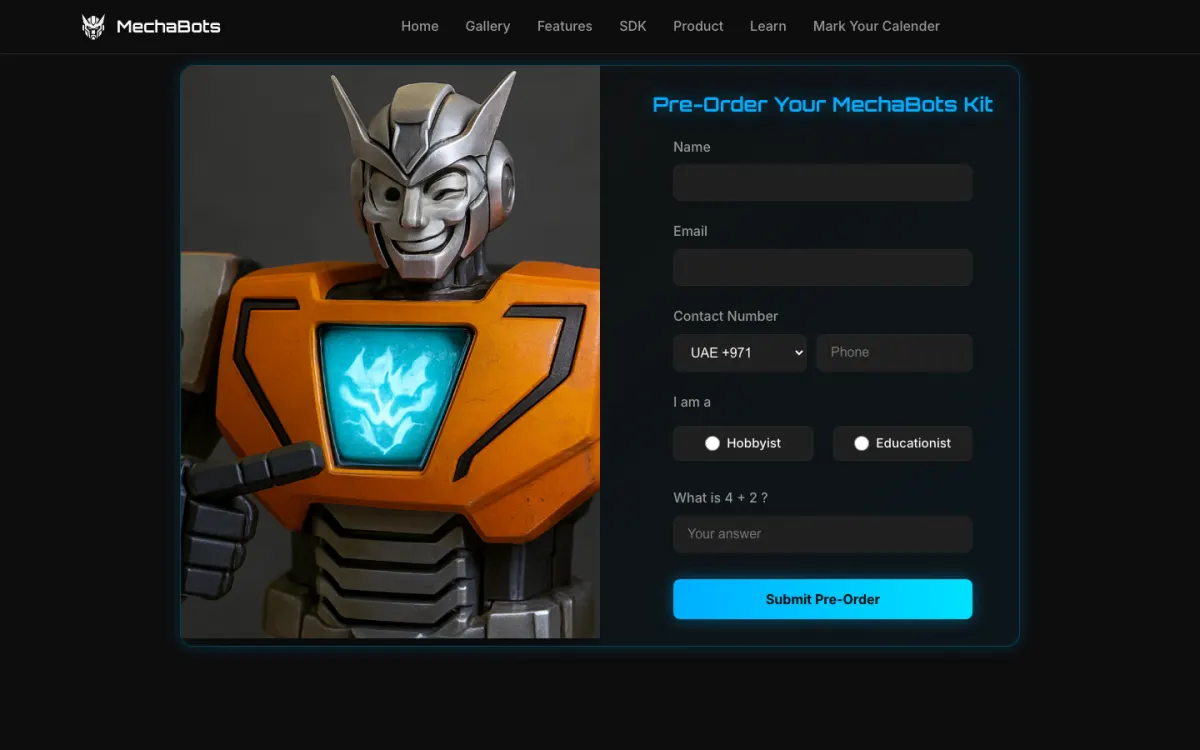

Robotics
MechaBots
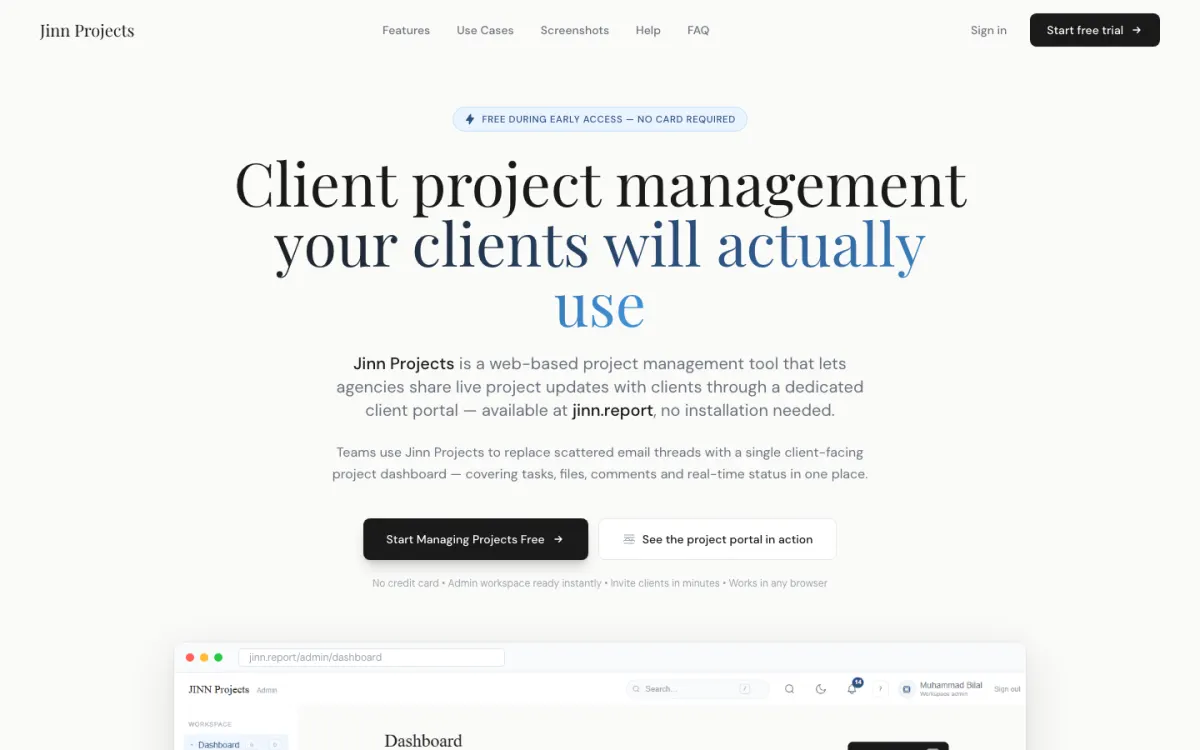

Client Project Workspace
Jinn Reports
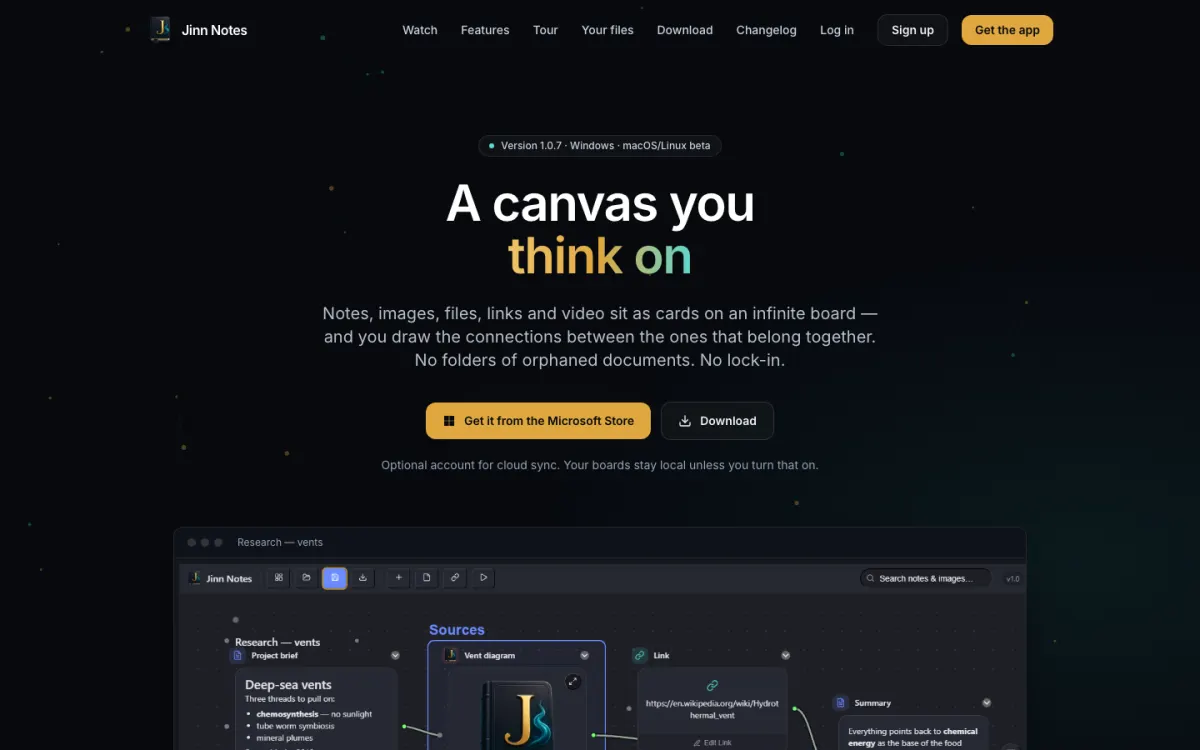

Visual Note-Taking
Jinn Notes
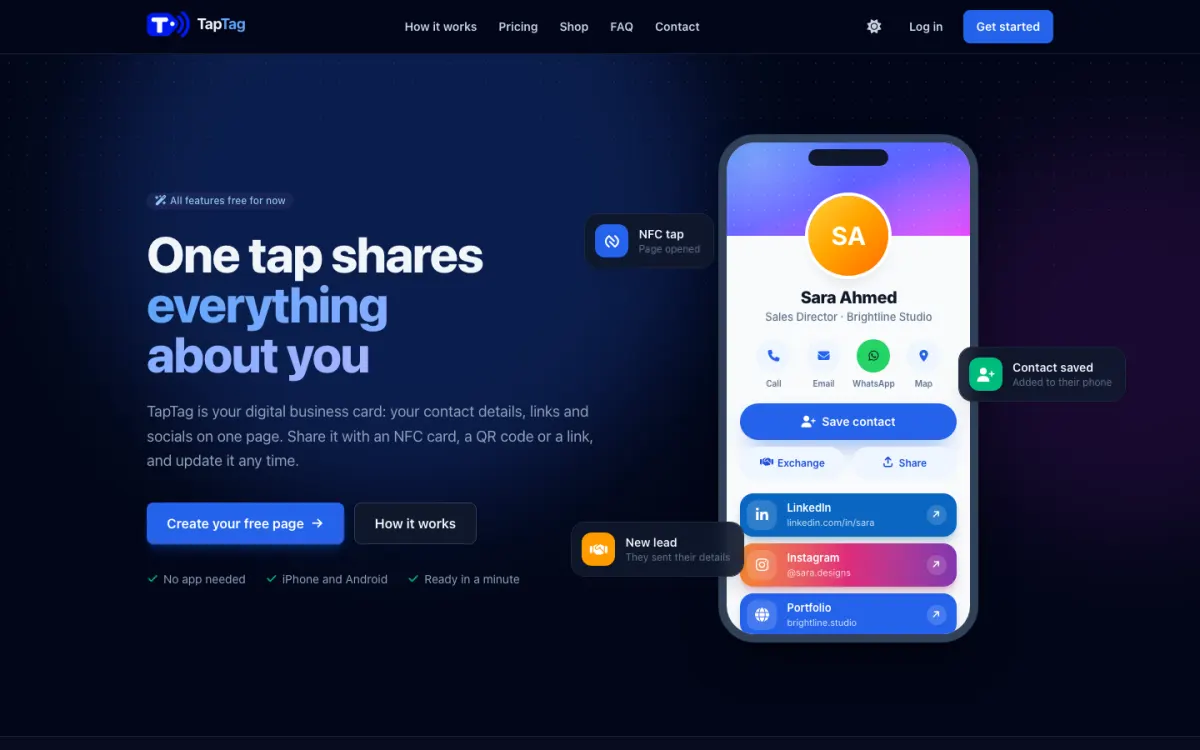

Digital Business Cards
TapTag
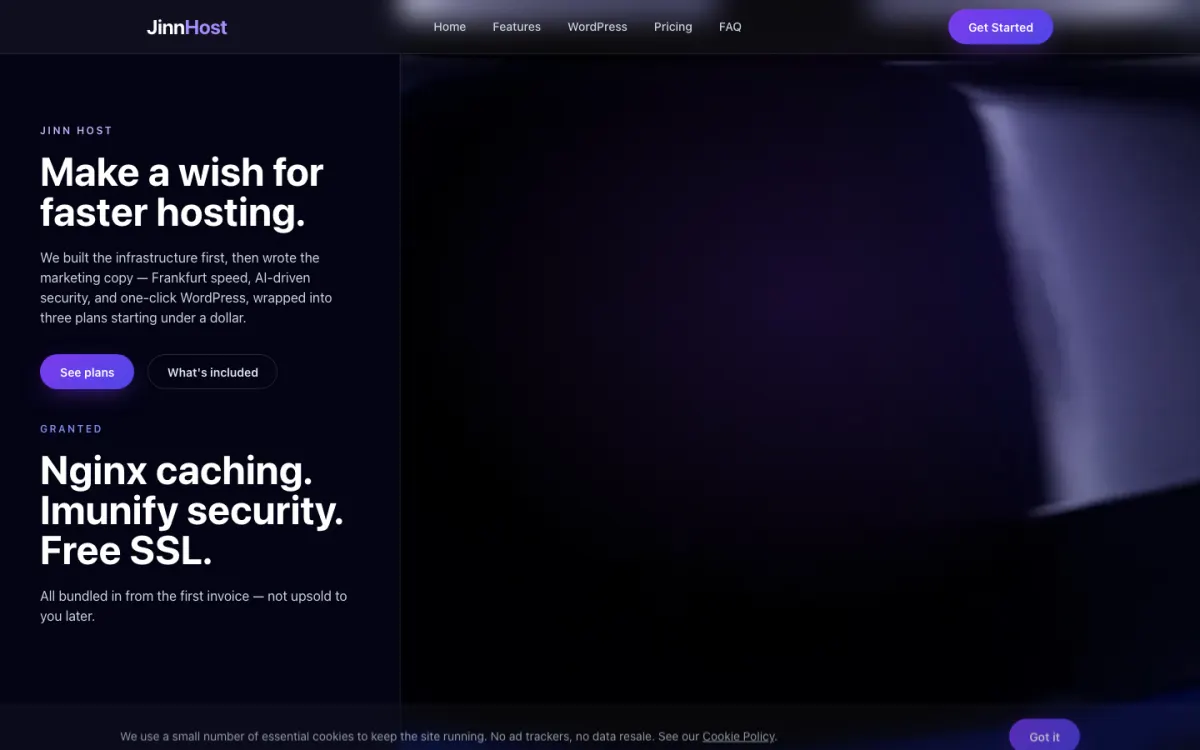

Hosting Infrastructure
JinnHost
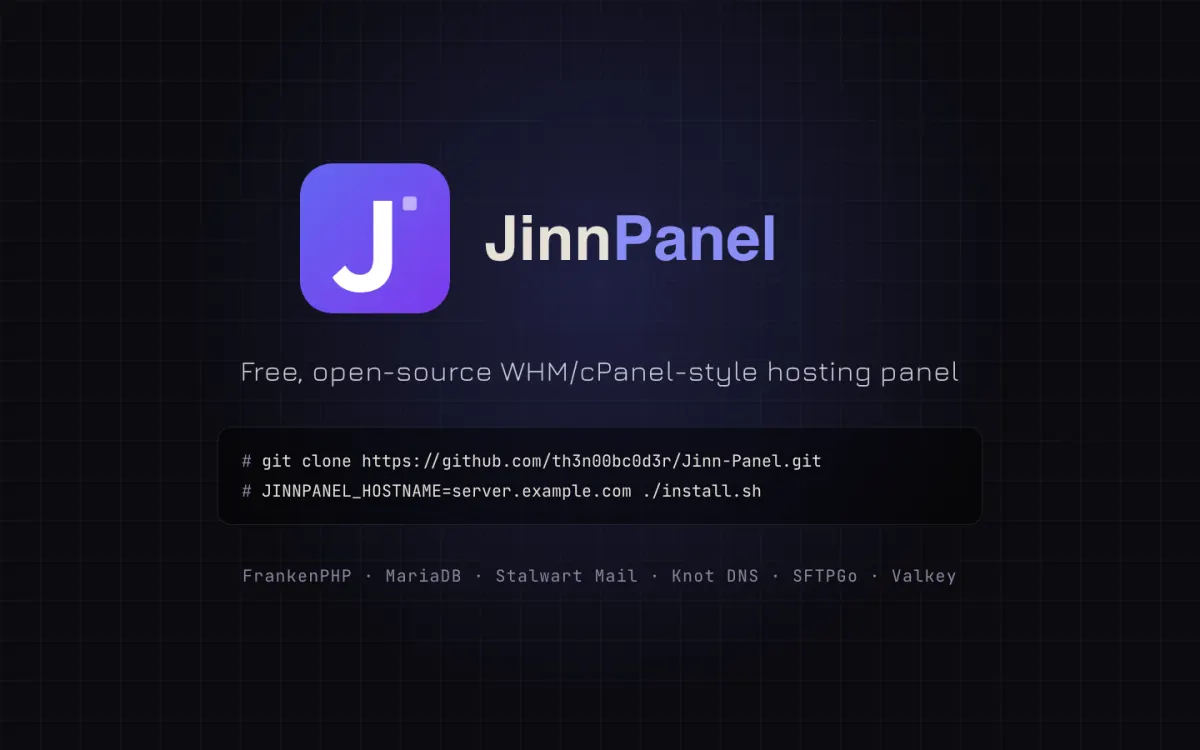
Open-Source Control Panel
Jinn Panel
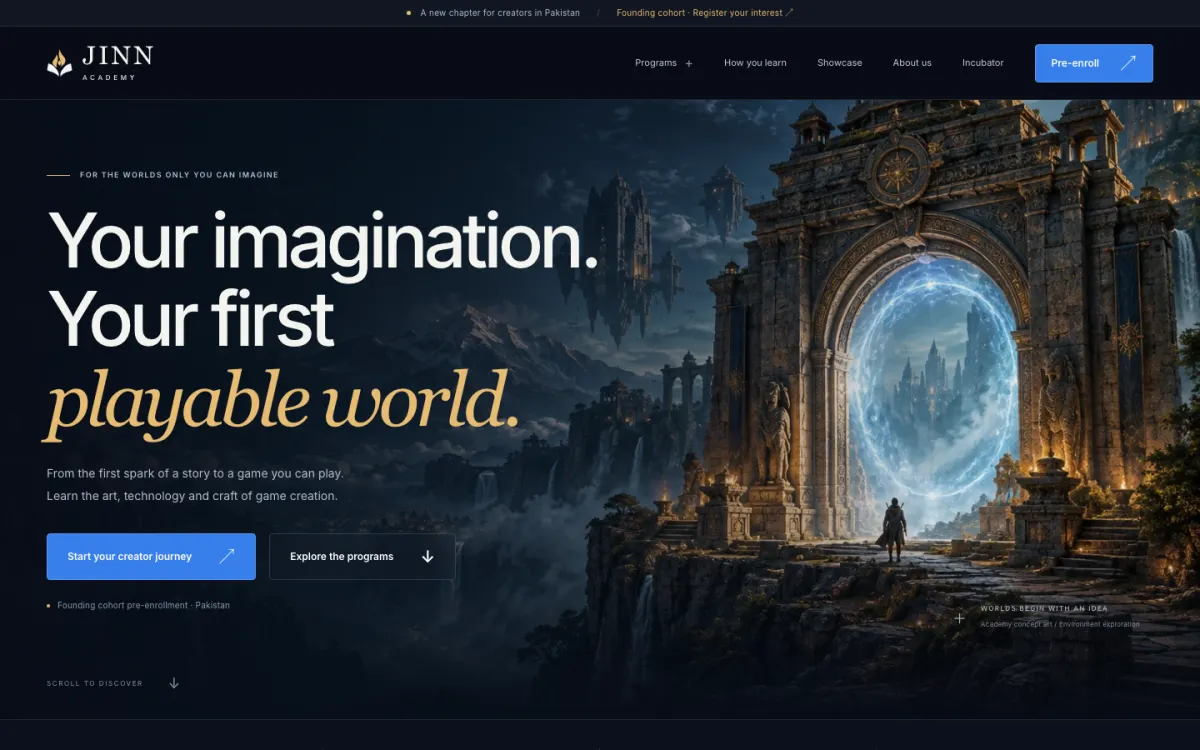

Game Development Academy
Jinn Academy
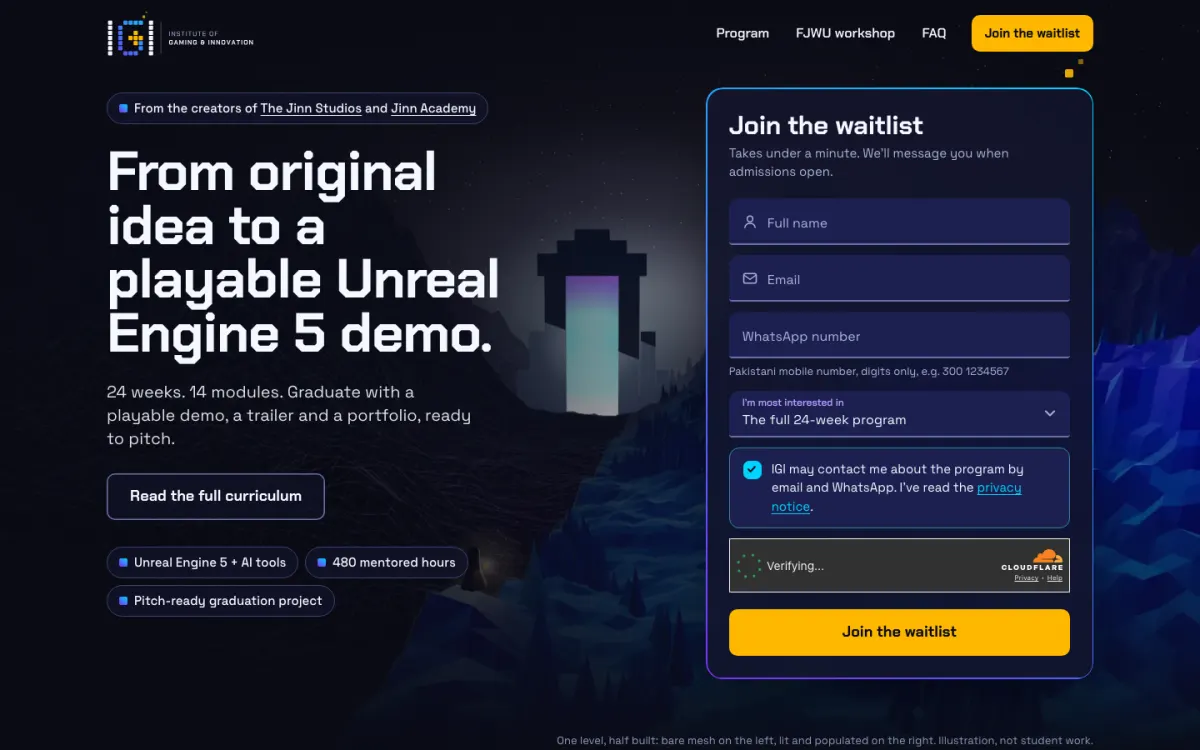

Unreal Engine 5 Program
IGI


Luxury Commerce
SHAZ
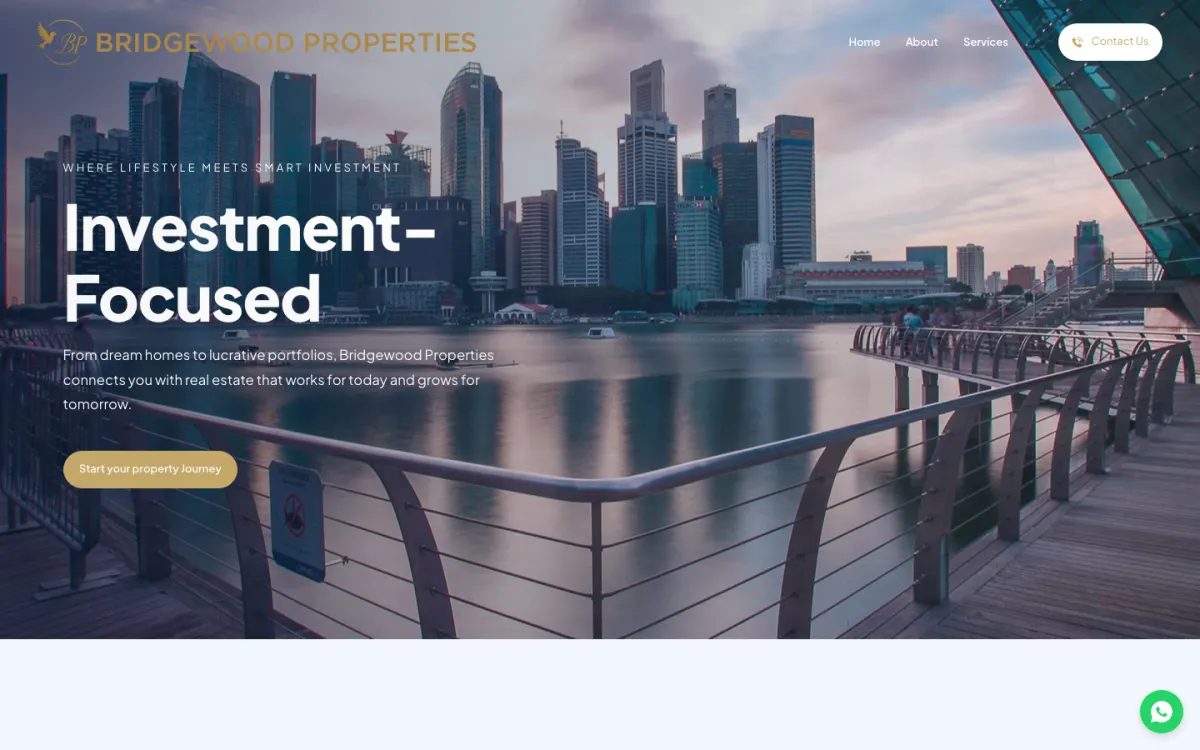

Property
Bridgewood
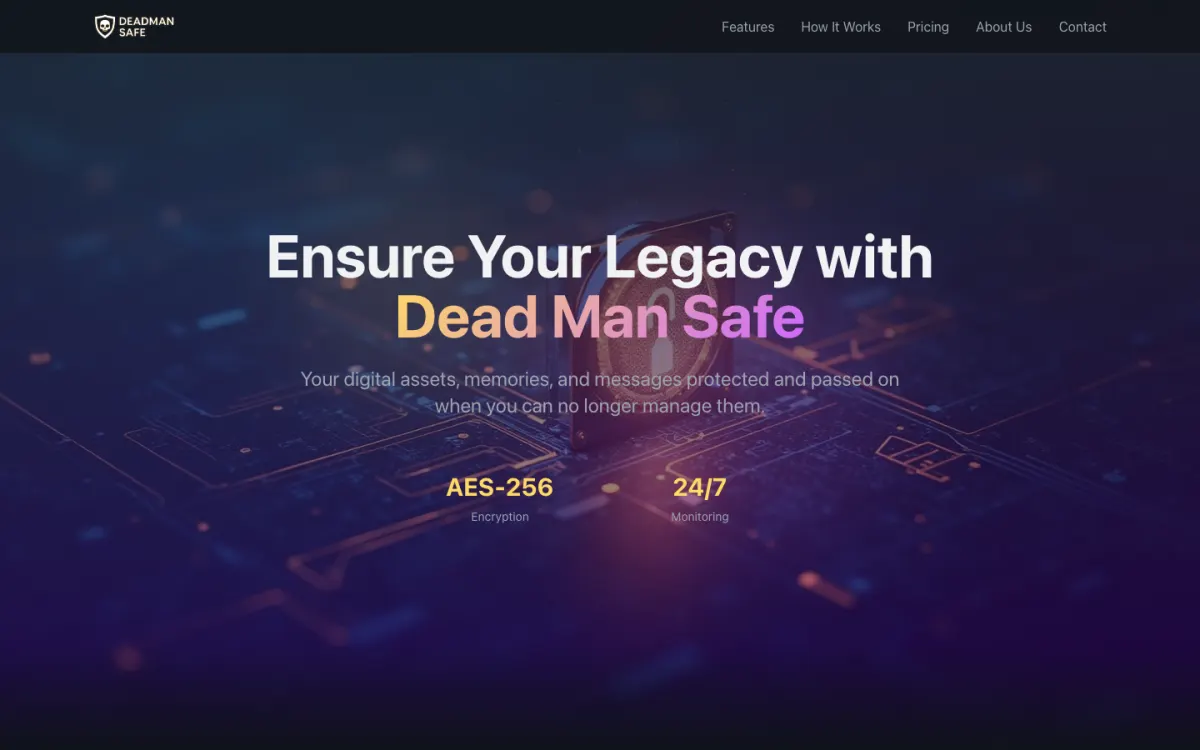
Digital Legacy
Dead Man Safe
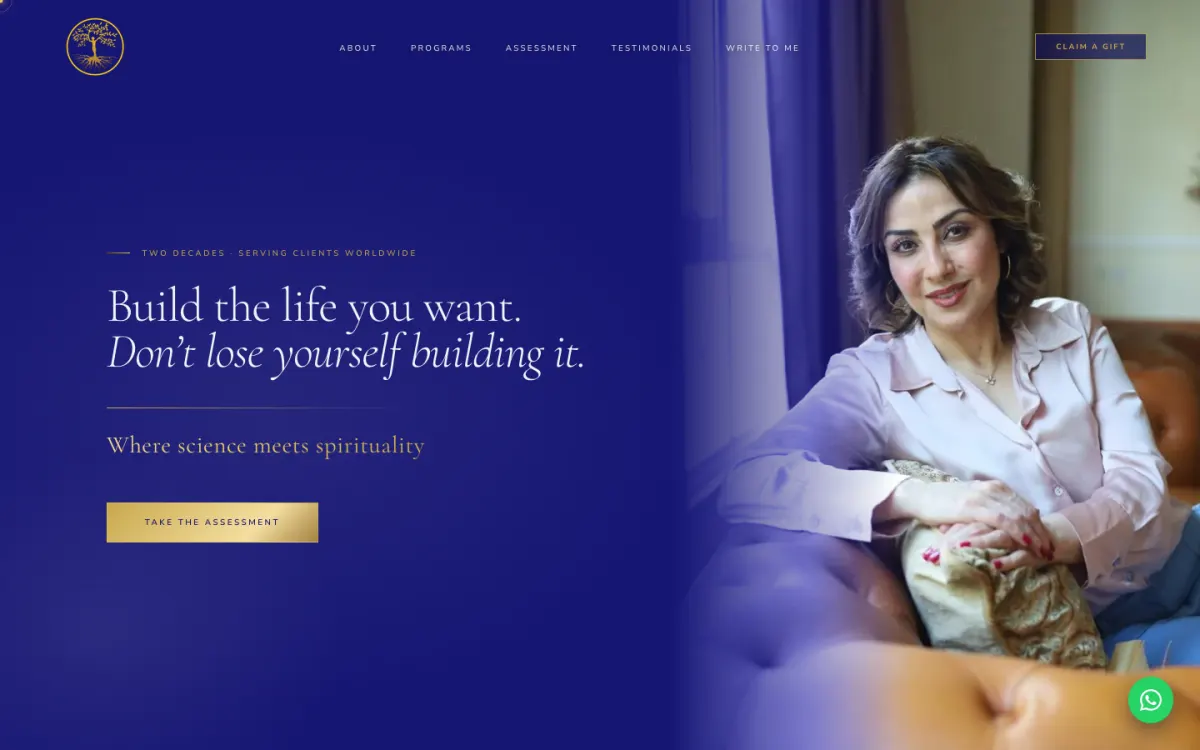

Personal Brand
Shorouk Al Abdallah
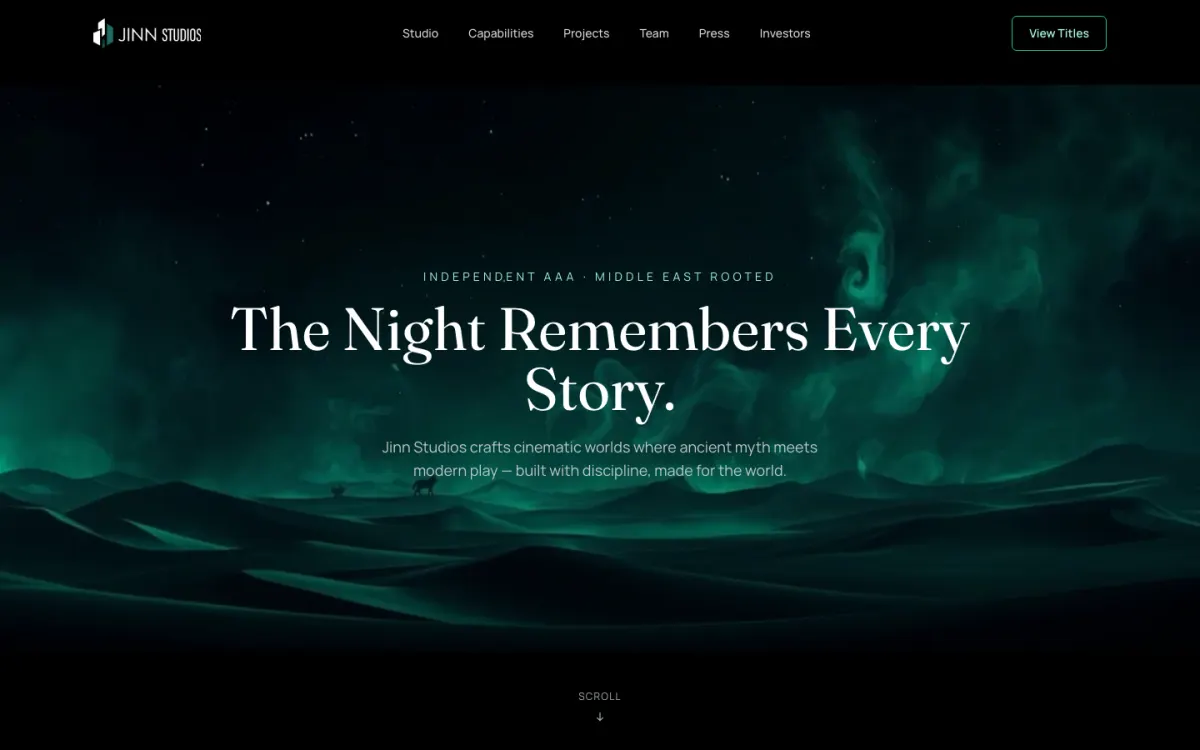

Studio
Jinn Studios
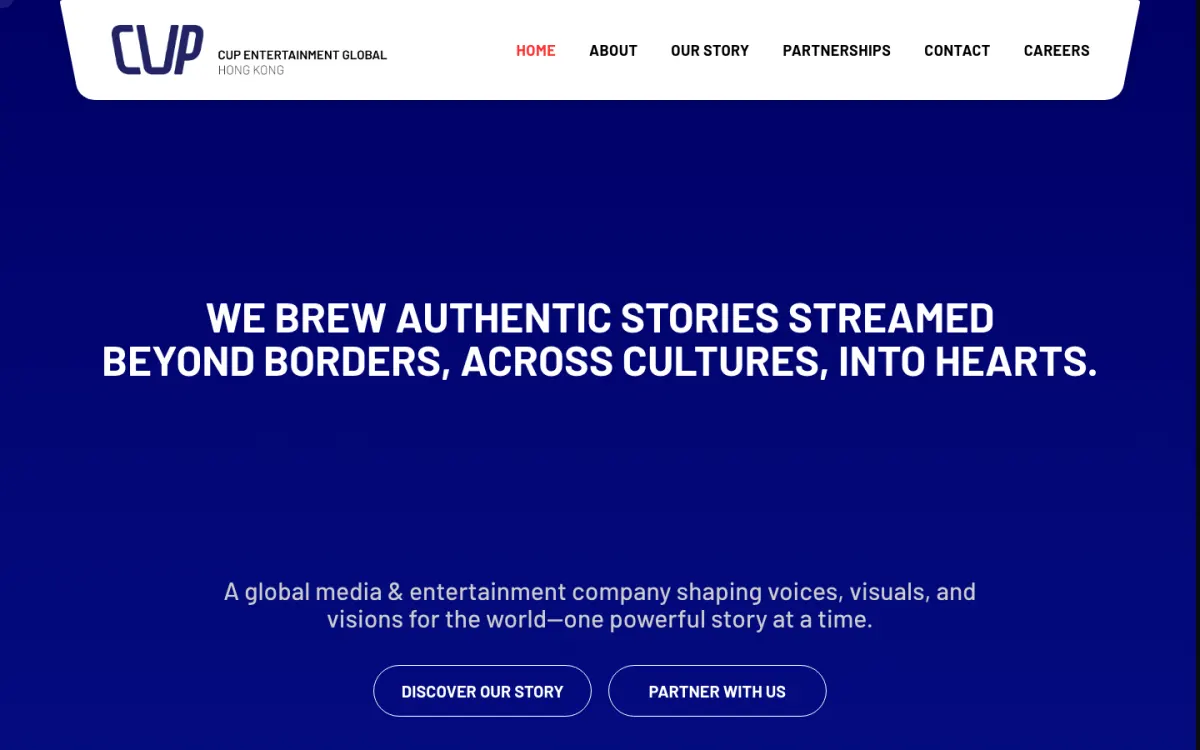

Entertainment
Cup Entertainment
Start a conversation
Ready to build a CRM
your team will actually use?
Tell us about your sales process and what the current system cannot capture. We will review the requirements, identify the architectural decisions that matter most, and give you an honest assessment of whether custom CRM development is the right investment.
After you reach out
We respond within one business day with an initial read on your CRM requirements and the sales process questions we would want to explore.
Sales process session
A structured session to map the actual sales process, customer entity structure, reporting requirements, and integration needs. We come prepared to ask specific questions about how the team works.
Architecture proposal
A written CRM architecture proposal with module plan, integration design, phased delivery timeline, and investment. Specific enough to make an informed decision.